Clutch Repairs and Replacement in Heywood
If you notice your clutch slipping, juddering, or feel changes in the pedal, it might be time for a check. Heywood MOT Station offers clutch inspections and replacements. We’ll assess the cause before recommending a replacement. If the clutch isn't the only issue, we can check other related mechanical problems before discussing repair options.
- Clutch Inspections
- Clutch Replacement
- Clutch Fault Assessment
- Related Mechanical Checks
Clutch Inspections
We check clutch concerns such as slipping, juddering and changes in pedal feel.
Clutch Replacement
We assess the cause of clutch problems before recommending replacement work.
Clutch Fault Checks
We investigate clutch symptoms to help identify the cause of the problem.
Related Mechanical Repairs
We can check other related mechanical issues and discuss suitable repair options.
Clutch Replacement in Heywood: Smooth Gear Changes and Reliable Driving
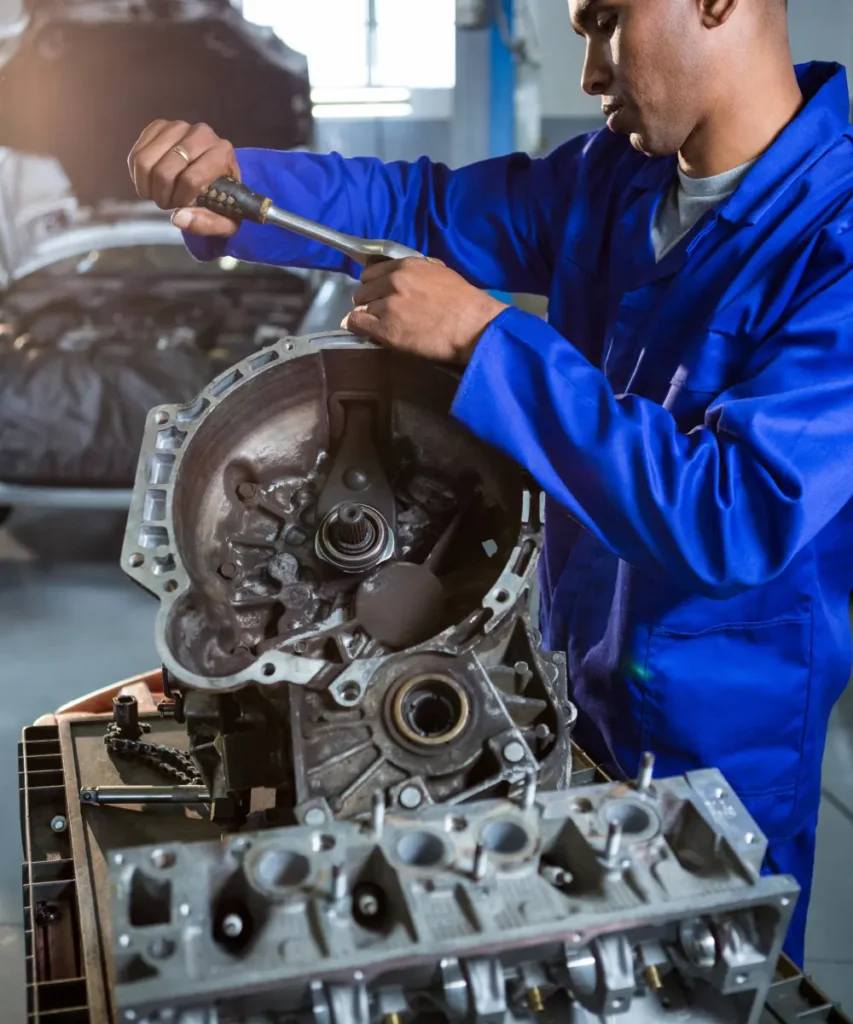
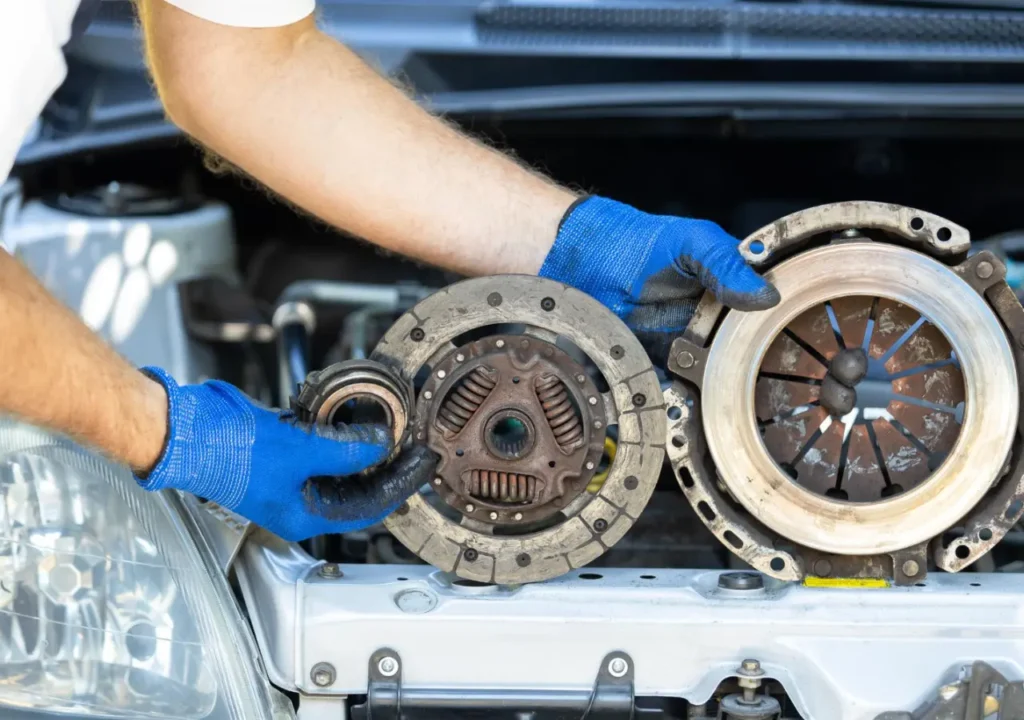
In a manual vehicle, the clutch connects the engine to the transmission, letting the driver start moving or change gears. Using the clutch wears out its parts. Over time, components like the friction plate, pressure plate, and release bearing can wear down and may need inspection or replacement.
Common signs of clutch problems include slipping during acceleration, shaking when starting, a changing biting point, a clutch pedal that feels too heavy or too light, trouble shifting gears, or noises when pressing the pedal. These signs can show clutch wear, but they don’t always mean the clutch needs to be replaced. Sometimes, issues may involve the clutch hydraulics, flywheel, release mechanism, gearbox, or other mechanical problems. If the cause isn’t clear, a broader vehicle diagnostic may be needed.
That’s why you should inspect the clutch before suggesting a replacement. The goal is to see how the clutch is working, find the source of the symptoms, and decide if replacement is really needed. Some vehicles have a dual-mass flywheel, which is separate from the clutch and may require assessment instead of just assuming it needs replacement.
Heywood MOT Station offers local clutch inspections and replacements in Heywood for drivers facing clutch wear or problems. If you’re unsure whether the issue is just the clutch or part of a larger vehicle problem, a Vehicle Health Check can help spot other areas needing attention.
Signs Your Clutch May Need Attention
The clutch is an important part of your vehicle. Spotting early signs of wear can help avoid bigger problems. If you notice changes in performance, strange noises, or trouble shifting gears, it's a good idea to get it checked.
Clutch Slipping
If the engine revs go up but the car doesn’t speed up especially on hills the clutch might be slipping. You might also notice a burning smell or uneven power. Worn parts could be the issue, so check with a mechanic first.
Judder & Pedal Feel
If the car shakes when you start moving, the clutch pedal feels too heavy or light, or the biting point changes, there could be a problem. It might be due to clutch wear or issues with hydraulics, mounts, or the flywheel.
Gear Selection Issues
If you have trouble shifting into first or reverse, hear crunching sounds, or feel resistance when pressing the clutch, it may involve the clutch, release mechanism, hydraulics, or gearbox. Since one symptom doesn’t pinpoint the issue, consider a vehicle diagnostic or repair for further help.
Is Your Clutch Slipping or Feeling Different?
If you have noticed clutch slipping, judder when pulling away, a changing biting point, unusual pedal feel, or difficulty selecting gears, arrange a check with Heywood MOT Station. We can assess the symptoms, identify the likely cause, and discuss whether clutch replacement or further investigation is appropriate.
What Happens During Clutch Inspection and Replacement?
When you bring your vehicle for a clutch inspection, our technicians check the symptoms you've noticed, like slipping, shaking, or trouble changing gears. Next, we do a thorough examination of the clutch system to find the cause and decide if it needs repair or replacement.
Clutch Symptoms
We begin by discussing any slipping, shaking, gear selection issues, or unusual sounds, as well as how the pedal feels. You don’t need to diagnose the clutch yourself before making an appointment.
Inspect & Confirm Cause
We check the clutch and related systems to find the cause of the problem. This includes examining wear, hydraulic systems, release operation, flywheel condition, and gear selection.
Clutch Replacement
If we confirm that the clutch needs replacement, we will install the right parts for your vehicle based on our inspection.
Final Recheck
After the work is done, we check how the clutch engages, how the pedal operates, and how the vehicle starts and shifts gears. Any remaining issues may need car repairs or a thorough diagnostic check.
Why Choose Heywood MOT Station for Clutch Replacement?
We offer dependable clutch replacement services. We communicate clearly, inspect thoroughly, and provide honest recommendations, so you know what your vehicle needs before we start any work.
Local Clutch Repairs
We provide clutch inspection and replacement services for drivers in Heywood and nearby areas, helping you decide what to do if you notice clutch problems.
Inspection Before Replacement
If your clutch is slipping, juddering, or the pedal feels different, we will check it and its parts before suggesting a replacement or further investigation.
Clear Advice on Clutch Wear
We will tell you what we found during the inspection, whether clutch wear is the issue, what repairs are needed, and whether any other parts need checking.
Help With Related Concerns
If you have issues with gear selection, pedal changes, or odd noises, these may not be just clutch problems. Broader Car Repairs can help with any necessary checks.
Diagnostic Support
If the clutch doesn't explain all the symptoms, we offer Vehicle Diagnostics to help find the problem alongside a mechanical inspection.
Wider Vehicle Support
In addition to clutch services, Heywood MOT Station offers Car Repairs, Car Servicing, Vehicle Health Checks, MOT testing, brake replacement, and suspension repairs.
Clutch Replacement in Heywood & Surrounding Areas
Heywood MOT Station helps local drivers with clutch inspections and replacements. If you notice slipping, shaking, a different biting point, strange pedal behaviour, or trouble shifting gears, come to us. We can also check for other related mechanical issues before we decide on the necessary work.
Areas We Support
- Rochdale
- Bury
- Middleton
- Castleton
- Norden
- Bamford
- Birch
- North Manchester
Get the Clutch Problem Checked Before Replacing Parts
Tell us about any issues you’ve noticed, like slipping, shaking, changes in the pedal, strange noises, or trouble shifting gears. Heywood MOT Station can check the clutch, see if it’s worn, and look into related hydraulic or transmission problems. Then, we can discuss repair or replacement options.
Clutch FAQs: Answers to Common Clutch Questions
Quick answers to help you understand clutch problems, symptoms, and repairs
Signs of a worn clutch include slipping, shaking when starting, a changing biting point, odd pedal feel, trouble shifting gears, and strange noises. These issues can have multiple causes, so it's best to check the clutch and related parts before deciding to replace anything.
A slipping clutch makes the engine rev higher without the car speed increasing. You might notice this more on hills or when accelerating. Sometimes, there’s a burning smell. Other issues can cause similar symptoms, so it's important to inspect the clutch to identify the problem.
This can happen if the clutch isn't effectively transferring power to the transmission, indicating clutch slip. However, other mechanical issues could also be the cause. Have the vehicle checked before assuming the clutch needs replacing.
Clutch judder is a vibration felt when the clutch engages, usually when starting. Causes can include clutch wear, uneven engagement, flywheel condition, or other mechanical issues. Judder alone doesn't mean a new clutch is needed, so it’s important to find the root cause first.
A high biting point may suggest clutch wear, but it’s not definitive on its own. Different vehicles have different pedal settings, and changes in the hydraulic system or other parts can also affect engagement. If you notice a significant change, it's a good idea to have it inspected.
A heavy clutch pedal might be due to wear or resistance in the clutch system or its parts. Pedal feel can vary by vehicle. If the pedal is noticeably heavier, check the whole clutch system instead of assuming one part is the problem.
If the clutch pedal suddenly feels lighter or softer, it may indicate a change in operation or a hydraulic issue in vehicles with hydraulic systems. If the pedal is slow to return, stays down, or makes it hard to shift gears, investigate the cause before considering replacements.
Struggling to select gears can happen if the clutch isn’t disengaging properly, but it’s not the only reason. The release mechanism, hydraulics, gear linkage, or gearbox parts can also cause this issue. Problems like difficulty getting into first or reverse should be examined carefully.
No. A worn or poorly working clutch can make gear selection hard, but other issues like hydraulic problems, release mechanism faults, or gearbox issues can cause similar symptoms. Observing the problem's pattern and the clutch pedal's behaviour can offer clues, but a thorough inspection is needed to find the real cause.
A noise when pressing the clutch pedal may come from the clutch assembly, release mechanism, bearings, or other parts. The noise's type and timing can assist with diagnosis, but sound alone is unreliable for pinpointing the exact issue. The clutch system should be inspected before any recommendations for repair or replacement.
A clutch assembly usually has parts like the friction plate, pressure plate, and release bearing. The specific parts depend on the vehicle. It's important to check the vehicle's specifications and inspection results to find the right parts instead of using a general list.
Clutch lifespan varies for each vehicle. Factors like driving style, traffic, vehicle weight, mileage, towing, and hill starts all affect wear. Some clutches last longer than others, so it's more helpful to look for symptoms and inspect the clutch than to rely on a set mileage.
A dual-mass flywheel (DMF) is used in some vehicles to reduce engine vibrations before they reach the transmission. It works with the clutch but is a separate part. Not all manual vehicles have a DMF, so it should be checked separately instead of assuming it needs to be replaced with the clutch.
No, you don't always need to replace the flywheel with a new clutch. Whether to replace it depends on the type, condition, and the vehicle manufacturer's guidelines. When a dual-mass or other flywheel is involved, its condition should be evaluated before deciding on replacement.
Yes. In vehicles with a hydraulic clutch, issues with the hydraulic system can cause a soft pedal, slow pedal return, or trouble disengaging the clutch. These signs can resemble clutch wear, so inspection is crucial. Identify the exact problem before suggesting a clutch replacement.
It depends on how badly the clutch is slipping. A slipping clutch struggles to transfer power, especially when under strain. Continuing to drive can worsen the problem. If you notice repeated slipping, get an inspection quickly to find the cause and the next steps.
A clutch inspection starts by noting any issues you've seen, like slipping, noise, or trouble shifting gears. The technician will check the clutch and related systems to find the cause. They may assess wear, hydraulic issues, or other drivetrain problems based on what they find.
If the inspection shows that the clutch isn't the only problem, the next steps will depend on what they discover. You may need further investigation before replacing the clutch. Heywood MOT Station will explain the results and discuss options without assuming you need a gearbox or hydraulic repair.
If an Interim Service finds worn parts, leaks, warning lights, or other issues, the next steps depend on what was discovered. Some problems might need more inspection before fixing, while others may require repairs or replacements. Heywood MOT Station can discuss necessary repairs or diagnostics. Any extra work will be separate from the Interim Service.
Yes, Heywood MOT Station offers clutch inspections and replacements for issues like slipping, noise, or gear trouble. Start by describing the vehicle's symptoms so that they can assess the clutch and discuss repair or replacement options based on what they find.