Professional Vehicle Diagnostics
Professional Car Diagnostics in Heywood to Quickly Identify Engine and Electrical Faults
Find warning lights, engine issues, and ECU faults with our expert car diagnostics. We use tests and hands-on problem-solving to discover the cause before suggesting repairs.
- Engine Diagnostics
- Electrical Faults
- ECU Fault Checks
- Warning Light Checks
Accurate Fault Investigation
Tests and physical checks help us investigate the cause of vehicle faults.
Diagnostic Scan & ECU Checks
Diagnostic equipment helps identify stored fault codes and electronic issues.
Hands-On Problem Solving
We combine diagnostic testing with practical inspection of the affected systems.
Clear Repair Advice
We identify the likely cause before discussing suitable repair options.
Car Diagnostics in Heywood
Modern cars use sensors, control units, and systems to check how the engine, emissions, and electrical parts are working. If something is wrong, the car may show a warning light or store a fault code.
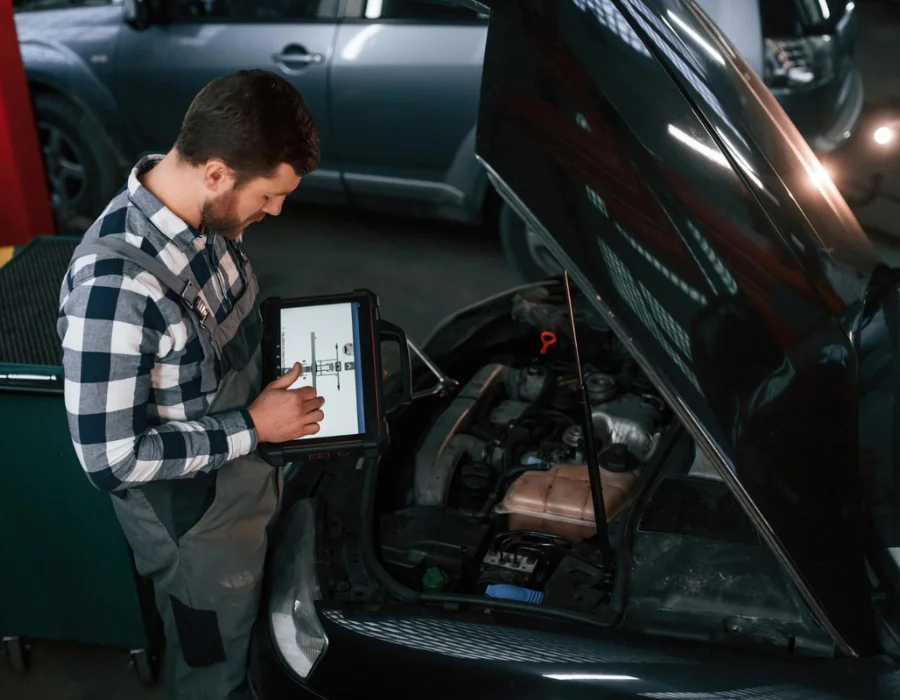
At Heywood MOT Station, we help find these faults with our car diagnostics. Our tools can talk to your car’s systems, retrieve fault codes, and check live data from sensors.
A car diagnostic test is especially helpful if you see an engine warning light, lose power, experience rough running, have emissions warnings, or notice electrical problems.
However, a fault code alone doesn’t tell the whole storey. It might indicate where the problem is but won’t identify the exact faulty part. Similar codes can come from wiring issues, sensor problems, or other related parts.
That’s why finding the right fault may require more than just running a diagnostic scan. Our technicians will look at the scan results, listen to your observations, and perform visual checks and additional tests if needed.
Our goal is to identify the fault and give clear advice to avoid replacing parts unnecessarily.

When Should You Book a Diagnostic Check?
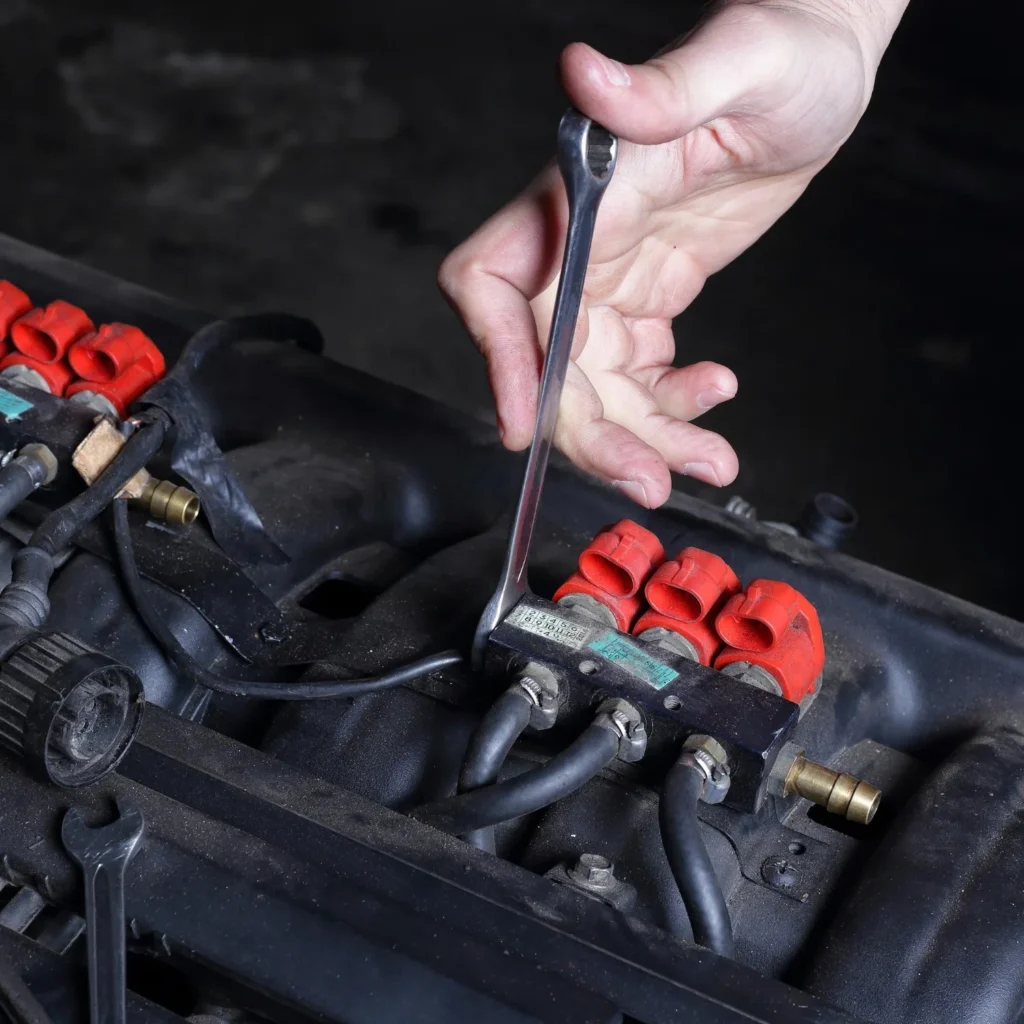
A diagnostic check is helpful when your car shows a warning light, acts strangely, or changes how it performs. Modern cars keep track of their engine, emissions, and electrical systems, and they can store problems before drivers notice them.
Some warning lights are more serious than others. What you do depends on the warning, how your car is behaving, and the manufacturer’s advice. If you’re unsure about driving safely, ask a professional for help.
Common Signs You May Need Diagnostics
- Engine Management Light
- Dashboard Warning Messages
- Reduced Engine Power
- Limp Mode
- Poor Acceleration
- Rough Running
- Engine Misfires
- Difficulty Starting
- Increased Fuel Consumption
- Unusual Electrical Behaviour
- DPF, EGR or AdBlue Warnings
- Emissions Warnings
- Intermittent Faults
- Unexplained Performance Changes
Our Car Diagnostic Services
Different problems require different investigations. At Heywood MOT Station, we use diagnostic testing to identify issues with the engine, electronics, warning systems, emissions controls, and other systems.

Car Diagnostics
Our Car Diagnostics service checks warning lights, performance problems, sensor issues, and occasional faults. We test stored fault codes, live vehicle data, and related systems. A code shows where the problem might be, but we may need more mechanical or electrical tests before suggesting repairs.
Engine Diagnostics
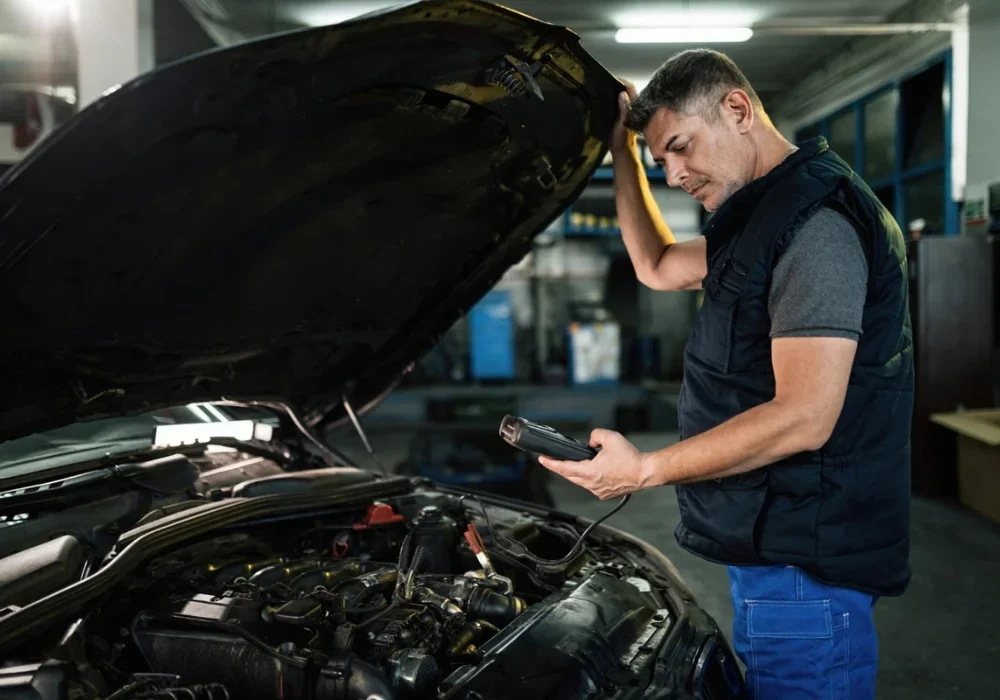
Our Engine Diagnostics service targets issues with starting, acceleration, idling, fuel use, and overall engine performance. We check the ignition, fuel delivery, sensors, airflow, emissions systems, and turbo readings. Our experts analyse the data to identify the root cause, rather than relying on just one fault code.
Warning Light Diagnostics
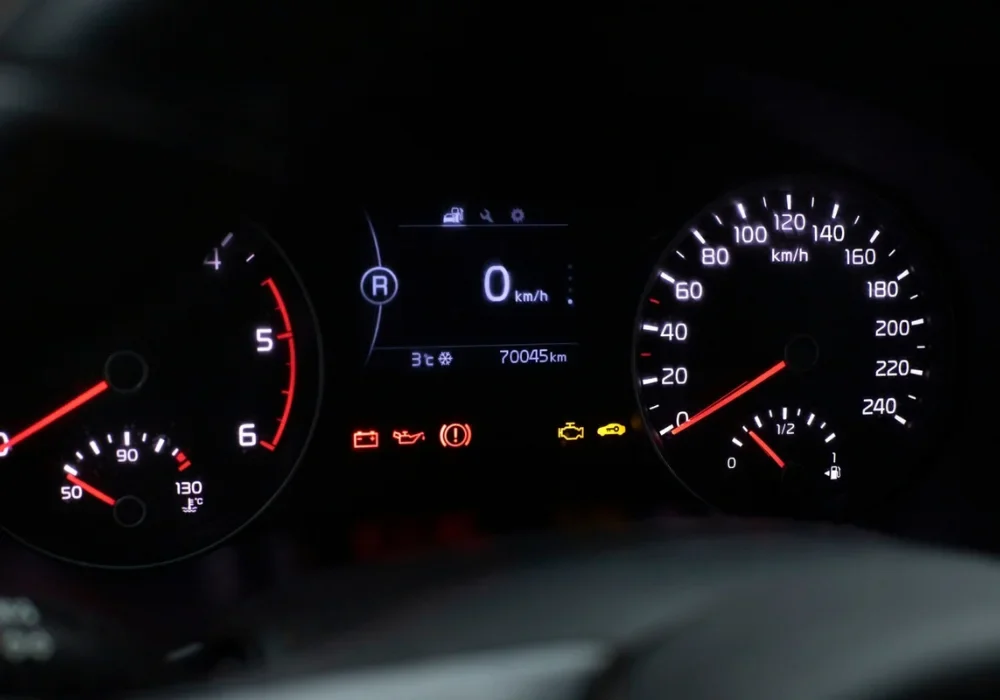
Our Warning Light Diagnostics service finds out why warning lights for the engine, ABS, battery, airbag, DPF, AdBlue, or traction control are on. The urgency of the issue depends on the symbol, colour, and the car's behaviour. Diagnostic scanning can show stored information, but additional checks might be required to confirm the problem.
ECU Diagnostics
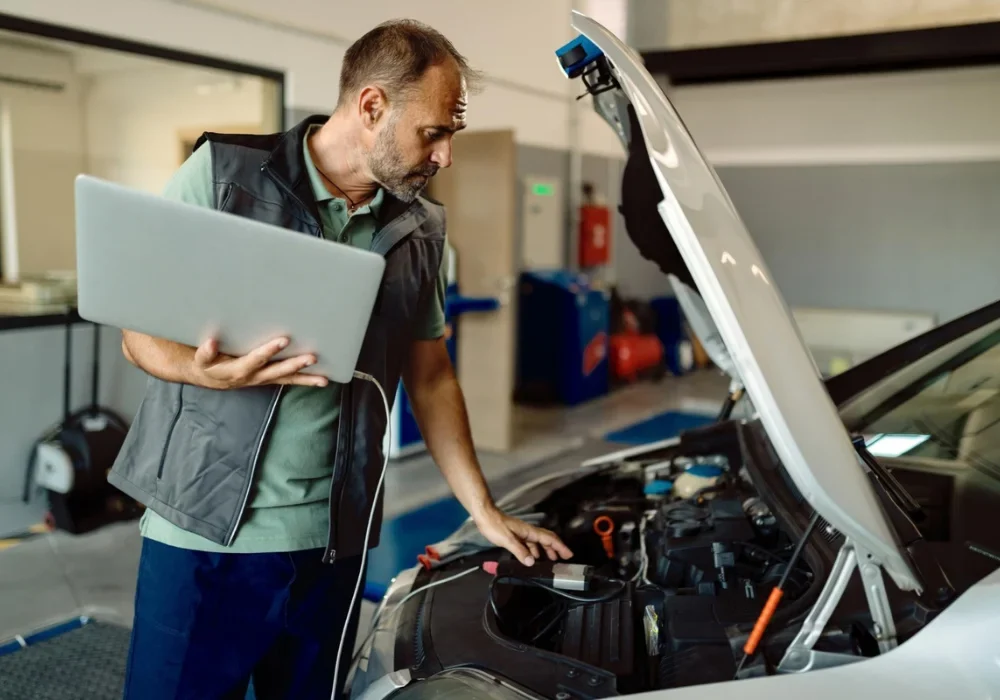
Our ECU Diagnostics service checks for faults recorded by electronic control units and other vehicle parts. This testing includes reading fault codes, checking live sensor data, and ensuring systems communicate properly. Just because there's an ECU code, it doesn't mean the ECU has failed; wiring, sensors, and other parts may also need testing.
Electrical Diagnostics
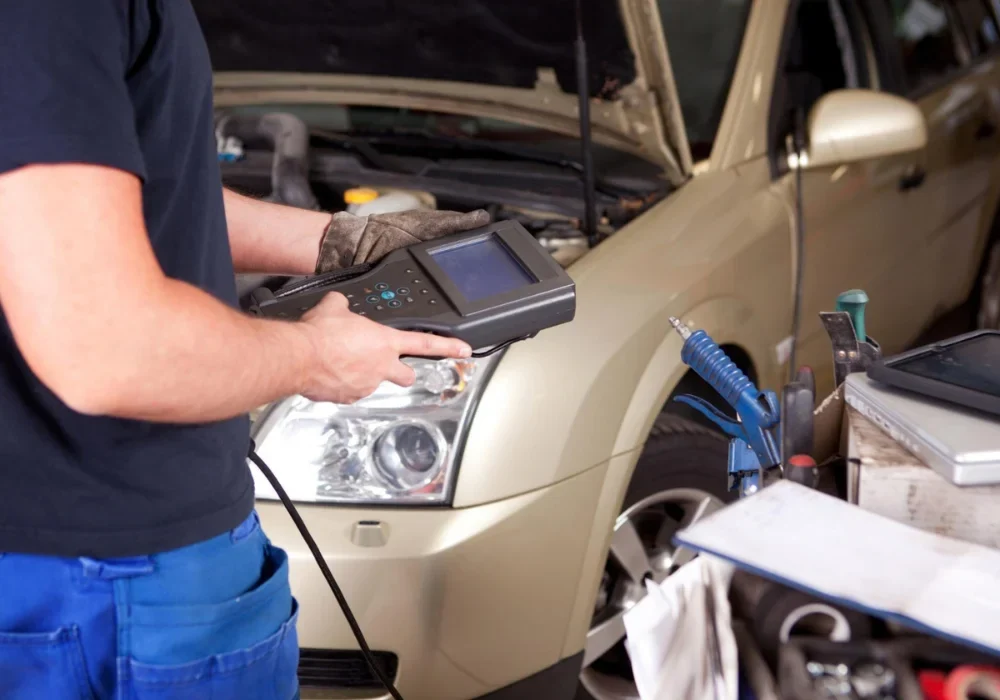
Our Electrical Diagnostics service solves starting issues, battery drain, charging problems, warning lights, and other electrical glitches. We check the battery, alternator, wiring, fuses, relays, and sensors. Since electrical problems can be unpredictable, we often perform systematic tests to find the root cause.
Emissions Diagnostics
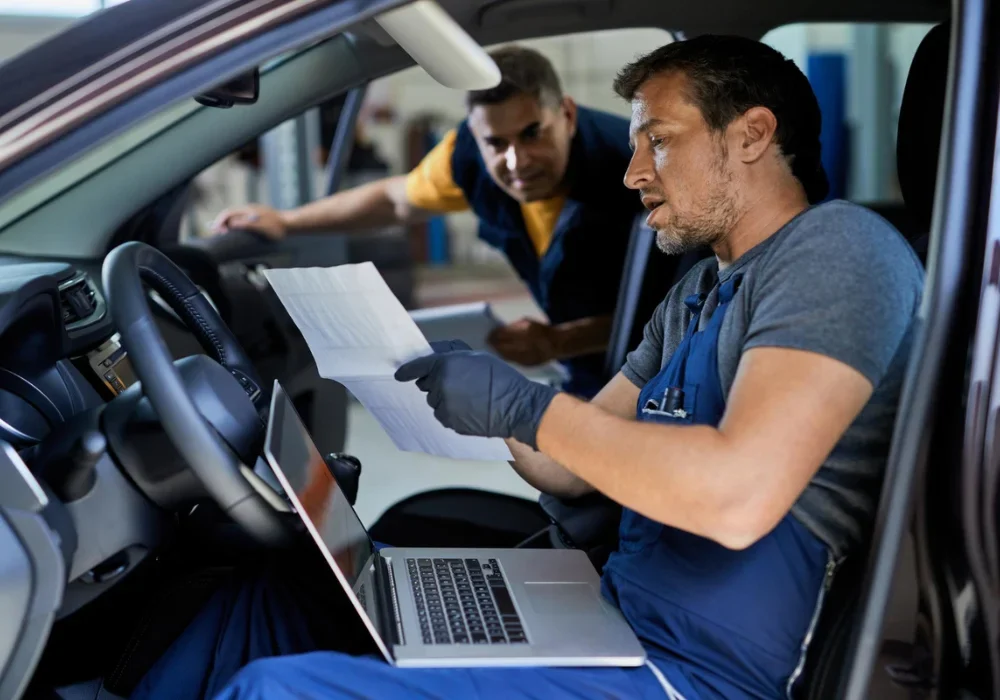
Our Emissions Diagnostics service finds issues with DPF, EGR, AdBlue, oxygen sensors, and other emissions systems. Symptoms include warning lights, limp mode, smoke, poor performance, or higher fuel consumption. We use diagnostic data to identify the cause before cleaning, repairing, or replacing any emissions parts.
Don’t Wait for the Warning to Get Worse
If you spot a warning light or performance issue, it’s best to check it early. Schedule a diagnostic check with Heywood MOT Station to find the problem before it leads to bigger repairs.
How Vehicle Diagnostics Work
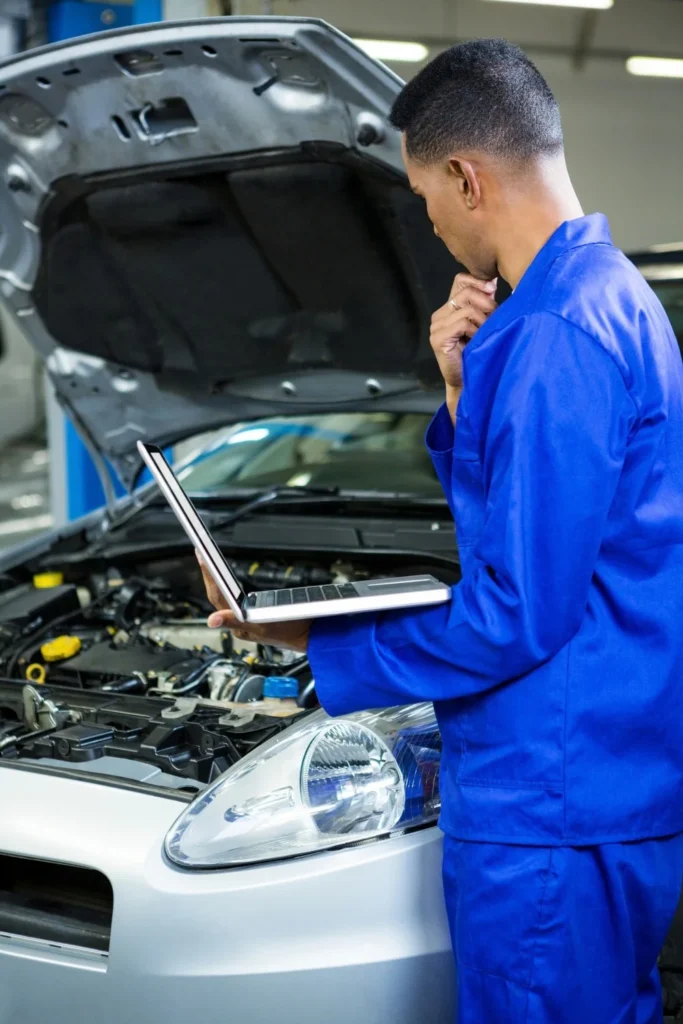
Vehicle diagnostics involves more than just using a scanner to read a code. It combines the diagnostic information with the symptoms you observed and includes additional checks if necessary.
- Tell Us What You Have Noticed: Start by describing any warning lights, strange noises, loss of power, starting issues, or changes in how the vehicle runs. It’s also useful to mention when the problem happens and if it occurs all the time or just sometimes.
- Diagnostic Scan: We connect the right diagnostic tools to the vehicle to communicate with its electronic systems and control modules.
- Fault Code Review: Stored fault codes and system information are checked to find out where the vehicle has a problem. These codes are helpful, but they don’t always pinpoint the exact part that is faulty.
- Live Data Checks: You can check live sensor readings and operating data to see how the vehicle is working while it runs. This helps spot any readings that seem unusual.
- Further Testing: If the scan doesn’t fully answer the question, you may need more mechanical or electrical tests. This can involve checking wires, sensors, components, voltage, or related systems to find the cause.
- Clear Repair Advice: After reviewing the findings, we explain what we found and suggest the next steps. Our goal is to help make smart repair decisions instead of replacing parts needlessly.
Diagnostics Before Car Repairs
Investigate the problem fully before starting repairs. This reduces guesswork, avoids replacing unnecessary parts, and clarifies the next steps.
Find the Real Cause
Proper diagnosis helps identify the real cause of a problem. By checking fault codes, live data, and related systems, technicians can avoid replacing parts that only seem connected to the issue. This makes repairs more targeted, reduces unnecessary work, and helps prevent the same problem from returning.
Identify Related Faults
Some faults affect multiple systems. A diagnostic check can find these related issues that might be overlooked. Knowing how faults are connected helps technicians plan their checks and repairs. This reduces guesswork and helps prevent problems from coming back after the work is done.
Plan the Right Repair
After finding the likely cause, you will get clear advice on what needs fixing right away and what can wait. If repairs are needed, our service will focus on the identified issue. This helps you make a better choice before replacing parts, avoids unnecessary work, & keeps repairs focused on what your vehicle actually needs.
Why Choose Heywood MOT Station for Car Diagnostics?
Get helpful diagnostic support with clear fault explanations and repair advice from your local independent garage in Heywood.
Local Independent
Garage
Choose a local garage in Heywood for helpful diagnostics and clear advice on what your vehicle actually needs. We keep our advice clear and practical.
Experienced Automotive Team
Our skilled automotive team uses diagnostic tools and practical vehicle experience to examine faults closely. We explain our findings in clear, simple language.
Professional Diagnostic Equipment
We use professional diagnostic tools to check for faults, review live data, and perform additional tests when a warning light or vehicle issue arises.
Mechanical & Electronic Checks
Not all vehicle issues are just electronic. We look at both mechanical and electrical causes to understand the problem better before suggesting repairs.
Repair & Maintenance Support
If a problem is confirmed, you can get repair support along with MOT testing and car servicing. This makes it easier to schedule the next steps without delays.
Convenient Heywood Location
Located in Heywood, we help local drivers with easy diagnostics and clear advice. We also provide convenient access for those from nearby Greater Manchester.
Car Diagnostics in Heywood & Surrounding Areas
Heywood MOT Station offers car diagnostics in Heywood and nearby areas. We help drivers check warning lights, engine issues, electrical problems, and performance concerns at our local garage.
Car Diagnostics for Drivers Near Heywood
- Rochdale
- Bury
- Middleton
- Castleton
- Norden
- Bamford
- Birch
- North Manchester
Need Car Diagnostics in Heywood?
If your car has a warning light, is losing power, or has electrical or emissions issues, Heywood MOT Station can help you. Schedule a diagnostic check to properly investigate the problems and get clear advice before repairs. If you need engine diagnostics, a warning light check, help with an ECU issue, or need to check DPF, EGR, or AdBlue warnings, contact our Heywood garage and share what you’ve noticed.
Frequently Asked Questions About Car Diagnostics
Get straightforward answers to common questions about warning lights, fault codes, ECU checks, and car diagnostics. This way, you’ll know what to expect before making a booking.
A car diagnostic test uses special equipment to connect with the car's systems and find stored error codes. Technicians can then look at the results, the car's symptoms, and do more tests to identify the problem.
Diagnostics help find problems in monitored systems like the engine, emissions controls, electronics, and some braking or chassis systems. What you can access depends on the vehicle and the diagnostic tools used.
Every vehicle doesn't have a set time for diagnostics. A simple scan may be quick, but finding intermittent or complex problems takes more time and tests. The vehicle type, symptoms, and number of affected systems all affect how long it will take.
Engine diagnostics can find problems that affect starting, running, and performance. This process may involve checking fault codes and data related to ignition, fuel delivery, airflow, sensors, emissions controls, and other engine-management systems, depending on the vehicle.
An engine management light shows that your vehicle has found a problem in the engine or a related system. Many things can cause this, from sensor and emissions issues to major engine problems. A diagnosis is needed to find out the exact cause.
The type of warning light, whether it's flashing or steady, affects how you should respond. The UK Highway Code advises that any warning lights that stay on or appear while driving should be checked. If you’re not sure what to do, get help from a professional instead of assuming it’s safe to keep driving.
An ECU, or electronic control unit, checks and manages specific functions in a vehicle. Today’s cars often have multiple electronic control modules, each handling different systems instead of one computer managing everything.
No. A diagnostic trouble code shows where a problem is, like a system or circuit, but it doesn't pinpoint which part needs to be replaced. You may need to test wiring, sensors, connections, or other related parts.
Diagnostics help find many electronic faults, like issues with sensors, wiring, communication, and charging. However, electrical diagnosis might also need voltage tests, as well as checks on the battery and alternator. You may also need to physically inspect the wiring to confirm the problem.
Diagnostic tests can find stored issues and data linked to the diesel particulate filter and emissions systems. A DPF warning does not always mean the filter needs to be replaced. Problems with sensors, regeneration, or other engine parts might also need to be checked.
Diagnostics can show EGR-related error codes or unusual readings to guide further checks. Since issues with airflow, sensors, wiring, and other engine-management parts can cause similar symptoms, don’t assume the EGR valve is faulty just because of a warning light or code.
Yes. For the right vehicles, diagnostics can help find issues with the AdBlue and selective catalytic reduction systems. A warning might indicate a low fluid level or a system issue. It's important to check the cause instead of assuming a specific part needs to be replaced.
No. Clearing a stored fault code only removes the warning message, but it does not fix the problem. If the issue is still there, the code or warning light may come back. Usually, codes are cleared after investigating or making repairs.
The technician looks at the fault information, symptoms, and live data. If the scan doesn’t identify the cause, more mechanical or electrical tests may be needed before discussing repair options.
Not every repair needs a diagnostic scan, but it can be helpful when the cause is unclear or when an electronic system has logged a fault. Diagnosing properly can reduce guesswork and prevent replacing parts without proof that they are causing the problem.
No. A fault code shows the technician where the vehicle has a problem, but it doesn’t explain why. To find the exact issue, technicians use live data, inspect visually, and perform mechanical or electrical tests.
They can help sometimes. A vehicle might keep fault information even if the issue isn't present during the visit. Intermittent faults are harder to confirm and may need more tests or recreating the conditions that caused the problem.
No. Some mechanical problems don’t create electronic fault codes. Issues with parts like suspension, brakes, exhaust, or wear and tear may need a physical inspection, even if no diagnostic code is stored.
An engine management or emissions system issue might cause a failure. Diagnostics can check emissions components before any testing or repairs. The MOT tests emissions against set standards, but it doesn't provide a full diagnosis of faults.
If you see an engine management light, a dashboard warning, limp mode, poor acceleration, rough running, trouble starting, unusual fuel use, or an electrical or emissions issue, consider getting diagnostics. Checking early can help identify what needs fixing.