Brake Repairs and Replacement in Heywood
Noticed noises, vibration, or wear from your brakes? Heywood MOT Station offers brake inspections and replacements for local drivers, including brake pads and discs. We check your brake parts to see what needs fixing, helping you decide if you need a replacement, more investigation, or another repair.
- Brake Inspections
- Brake Pads & Discs
- Brake Replacements
- Local Repair Support
Brake Inspections
We inspect your brake components to identify wear, damage and possible repair needs.
Brake Pad Replacement
We check brake pad condition and advise when replacement may be needed.
Brake Disc Checks
We examine brake discs for wear and assess whether replacement is required.
Brake Repair Advice
Get guidance on replacement, further investigation or other brake repairs.
Expert Brake Replacement in Heywood You Can Trust
Brake pads, discs, and other braking parts wear out over time due to driving. How fast they wear depends on the vehicle, driving conditions, and brake use. If you notice any changes in how your brakes feel or hear unusual noises, it’s best to check the system instead of assuming something needs replacing.
The braking system includes more than just brake pads and discs. Depending on the issue, it might also involve callipers, brake fluid, hoses, sensors, or electronic parts. Sounds like squealing or grinding, vibrations, warning lights, or changes in how the brake pedal feels can have different causes. This is why a thorough inspection is essential before making any repairs.
Brake pads create friction with the brake discs to slow the vehicle. Pads often wear out before the discs, but that doesn’t mean you should ignore the discs. Their condition should also be checked for wear or damage to ensure the braking system is properly serviced.
Heywood MOT Station offers brake inspection and replacement services for drivers in and around Heywood. If there’s a warning light or electronic issue, vehicle diagnostics may be needed. Problems found during testing could result in MOT failure repairs, and regular car servicing can help spot brake wear early before it becomes a bigger issue.
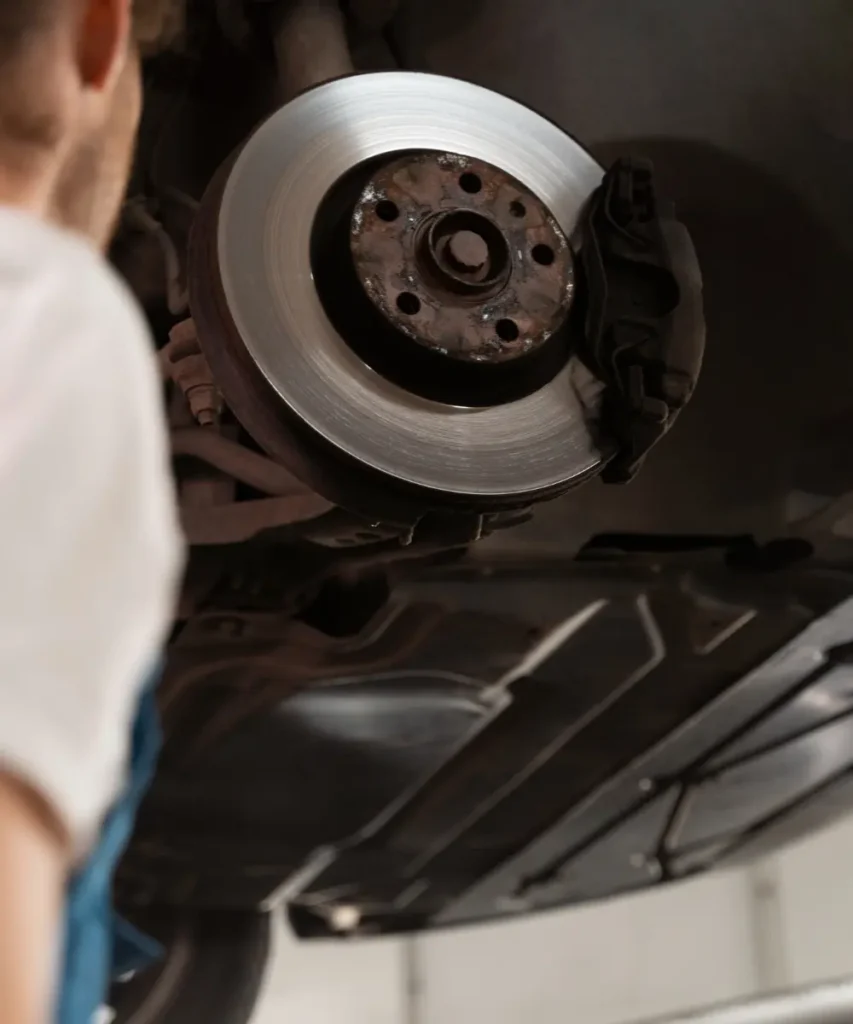
Signs Your Brakes May Need Attention
Your braking system is crucial for safety. It's important to notice any changes in how it works. Early signs of trouble can include strange sounds, different pedal feel, or dashboard alerts. Spotting these issues quickly can help avoid serious problems.
Brake Noises
Noises like squealing, grinding, or clicking may mean your brake pads are worn, or parts are dirty. However, you need a full inspection to find the exact problem and avoid more damage.
Brake Feel Changes
If your brakes vibrate, pull to one side, or feel soft or stiff, it could mean worn brakes or other problems. These signs might also come from tyres, suspension, or alignment issues. A thorough check is necessary to find the real problem. Early diagnosis keeps your brakes safe and prevents extra costs.
Warning Lights & Wear
Brake or ABS warning lights, visible wear, or MOT issues may indicate problems with the braking system. These could be related to sensors, fluid levels, or worn parts. You need diagnostics and inspection to confirm the issue and plan repairs. Ignoring these signs can lower your braking performance and safety.
Are Your Brakes Making Noise or Feeling Different?
If you hear squealing, grinding, feel vibrations, see a brake warning light, or notice a change in how your brakes perform, get them checked. Heywood MOT Station can inspect your brakes, check for wear, and tell you if you need to replace them or do more testing.
What Happens During Brake
Inspection and Replacement?
Brake inspection and replacement is a systematic process that finds wear, spots issues, and makes sure the braking system works safely and well. It includes checking important parts, determining what work is needed, and doing only the repairs or replacements required based on the vehicle's condition.
Inspect Brakes
First, we check the braking parts related to the issue, like pads, discs, callipers, hoses, and brake lines. We only remove necessary parts to check wear and find the problem.
Confirm Repairs
After the inspection, we determine what needs repair or replacement. Worn pads do not always mean other parts are bad, and noise doesn’t always indicate bad pads. We make recommendations based on their condition and symptoms.
Do Repairs
Once we agree on the repairs, we complete the necessary brake work, which may include replacing pads or discs. We discuss any other problems found before continuing. Repairs are based on the inspection, not a standard list.
Final Check
After finishing the work, we check the brakes again to ensure the problem is fixed. If warning lights stay on, more diagnostic checks may be needed. An MOT retest might also be necessary if the repair followed a failure.
Why Choose Heywood MOT Station for Brake Replacement?
If you’re having brake problems or someone told you your pads or discs need checking, our team can inspect them carefully. We will clearly explain the condition of your braking system. We aim to find the real cause of the issue so you can decide on any needed repairs.
Local Brake Repairs in Heywood
We provide brake inspections and replacements in Heywood and nearby areas. If you notice noise, pedal changes or brake wear, we can inspect the system and recommend suitable repairs.
Inspection Before Replacing Parts
Brake problems can come from various issues. We inspect for noise, vibration, or pedal changes before replacing any parts, ensuring only the affected components are repaired or replaced.
Clear Advice on Brake Issues
We simplify brake advice. We explain what needs fixing; whether it's the pads, discs, or other parts and why. If further checks are needed, we can do those before making repair decisions.
Support for Warning Lights
Brake or ABS warning lights don’t always mean worn pads. Problems could be with sensors or electrical issues. We use diagnostics to find the real cause before any repairs.
MOT Brake Repair Assistance
If an MOT reveals a brake issue, we evaluate it and discuss any necessary repairs. Depending on the results, an MOT retest may be needed afterwards before the vehicle returns to the road.
Additional Vehicle Repair and Maintenance
Brake issues may relate to other systems. We also offer car repairs, suspension repairs, tyres, wheel alignment, car servicing, and vehicle health checks as needed.
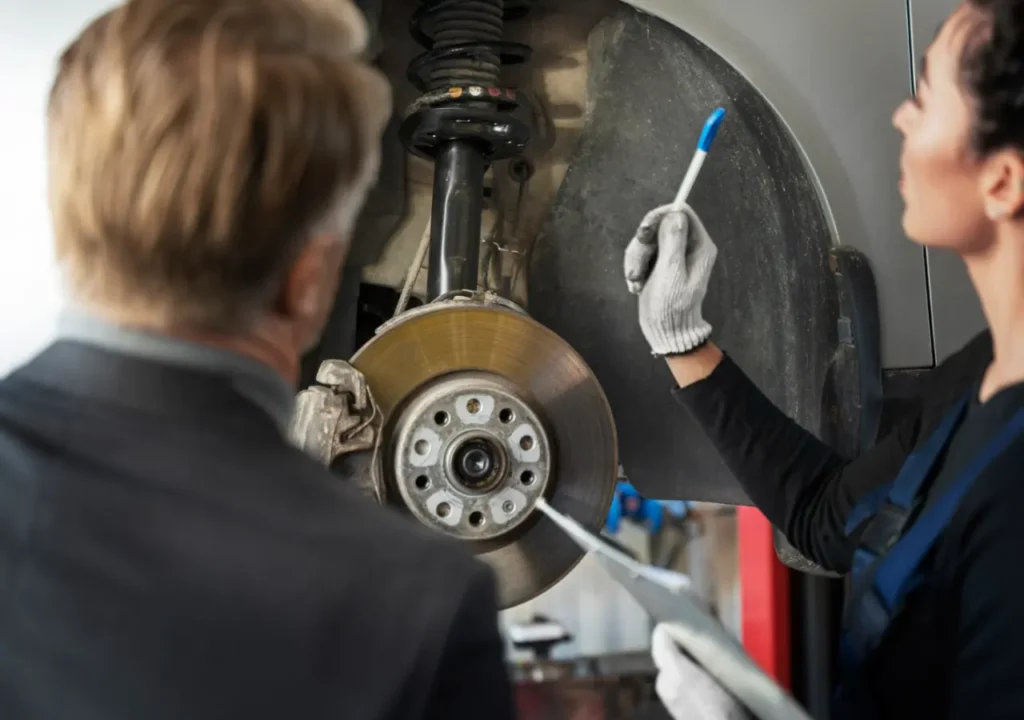
Brake Replacement in Heywood & Surrounding Areas
Heywood MOT Station offers brake inspection and replacement services for drivers in Heywood and nearby areas. If you hear brake noise, have worn pads or discs, notice changes in braking, find an MOT brake issue, or see a warning light, we can evaluate the problem and recommend what to do next.
Areas We Support
- Rochdale
- Bury
- Middleton
- Castleton
- Norden
- Bamford
- Birch
- North Manchester
Get Your Brakes Checked Before Replacing Parts
Let us know what you’ve noticed, like noise, vibration, changes in brake feel, or warning lights. We can check for brake wear, identify what needs fixing, and talk about repair or replacement options. If there’s an electronic warning, we can also arrange further diagnostics if needed.
Brake Replacement FAQs: Clear Answers to Keep You Safe on the Road
Here are easy answers to common questions about brake pads and discs. This information will help you understand your brakes and drive with confidence.
Look for signs like strange noises, changes in how the pedal feels, vibrations when braking, and decreased confidence in braking. A warning light may also appear. However, these signs don't always mean the pads or discs need changing. Other parts can cause similar problems. The best way to be sure is to have a brake inspection to find the worn or faulty part.
Worn brake pads can make squealing, scraping, or grinding sounds, and may reduce your braking confidence. Some vehicles show a warning light if the pads are worn. Sometimes, wear can be spotted during servicing or an MOT before you notice any symptoms. Since various issues can cause brake noise, it’s important to check the pad thickness and other parts before deciding to replace them.
Brake discs can wear down, corrode, or get damaged over time. You might feel vibrations or hear unusual noises when braking, but these signs can also come from other issues. It’s important to check the condition of the discs rather than relying on symptoms alone. When you check or change the brake pads, also inspect the discs to see if they are still usable.
No, brake pads and discs do not always need to be replaced at the same time. Pads often wear out faster, while discs may last longer. However, always inspect the discs when changing the pads. If the discs are worn or damaged, they might need replacement too. The decision should be based on inspection, not on changing both parts automatically.
Squealing brakes can happen for different reasons. It may be due to worn pads, contamination, disc condition, or other factors in the braking system. Sometimes, the noise may only happen under certain conditions. A squeal alone doesn’t mean you need new brake pads. An inspection can help identify the source of the noise and whether any parts need repair or replacement.
Grinding sounds when braking could mean your brake parts are worn or touching each other. Worn brake pads are one cause, but it could also be a problem with the brake disc or dirt getting in. Guessing the issue may lead to unnecessary repairs, so it's best to inspect the brakes before deciding what to fix.
Vibration while braking can come from several sources. It might be due to the brake discs, but it can also be caused by tyres, suspension parts, or wheels. You might feel the vibration in the steering wheel, brake pedal, or throughout the car. Since this symptom could come from different parts, an inspection is needed to find out if the brakes or another problem is causing it.
If your car pulls to one side when braking, it may mean the brakes are not working evenly. However, other factors like tyre condition, suspension issues, steering problems, or wheel alignment can also cause this. It’s important to check the brakes and nearby parts before recommending repairs, to avoid fixing brakes when the problem lies elsewhere.
A brake warning light signals that something needs attention, but it doesn’t always mean the brake pads are worn out. It could indicate a low brake fluid level, a sensor issue, or a problem with the parking brake. The meaning can vary by vehicle model, so check the warning and any other symptoms before deciding to replace any parts.
Not necessarily. An ABS warning light shows there’s a problem with the anti-lock braking system, but it doesn’t mean you need new brake pads or discs. It could be related to sensors, wiring, or other ABS parts. Diagnostics might be needed to find the exact issue before discussing repairs.
Brake pad lifespan varies. It depends on the vehicle, driving style, type of trips, traffic, weight, and braking system. City driving can wear pads differently than long highway drives. Instead of just tracking mileage, check brake pads during inspections and replace them when needed.
Brake disc life also differs based on the vehicle and driving conditions. Discs may last longer than brake pads but don’t assume this is always true. Look at thickness, surface condition, corrosion, and signs of wear. Assess the discs whenever you check the brake pads.
Yes, worn brakes can lead to an MOT failure if the vehicle doesn’t meet safety standards. The failure depends on the specific brake issue found, such as performance or condition. If a brake defect is noted in your MOT, it should be fixed before retesting.
Yes, Heywood MOT Station can inspect brake issues found during an MOT and suggest necessary repairs or replacements. The needed work will depend on the defects and the condition of the brakes. After repairs, an MOT retest may still be needed to ensure it passes.
Not necessarily. Front and rear brakes wear at different rates based on how the braking system works. If one set needs replacing, the other may not. Both should be checked, and replacements should be based on their actual condition, not just because one set is worn.
Yes, they can in some cases. Worn brake pads can cause extra damage to the braking system, like the brake discs, if used for too long. The level of damage depends on the condition of all parts and how the vehicle is used. An inspection will show if only the pads need attention or if other parts do too.
Sometimes. If the brake or ABS warning light is related to an electronic issue, a diagnostic test may be necessary. Some warnings can be discovered through a mechanical check. A warning light doesn’t always mean pads or discs need replacing. The next step depends on the warning and what the inspection reveals.
A brake inspection looks at the parts related to the issue you reported. This can include brake pads, discs, callipers, hoses, and warning lights. Not every part needs to be taken apart during each inspection. The goal is to find the cause, check for wear or damage, and decide if repair or replacement is needed.
If the inspection uncovers another issue besides the pads or discs, we will explain the findings and discuss repair options before doing any more work. Some problems may need further assessment or diagnostics. Discovering another issue doesn’t mean every part needs replacing; recommendations will consider the condition of the affected parts.
Yes. You can contact Heywood MOT Station to schedule a brake inspection or discuss brake replacement. Let the garage know about any issues you’ve noticed, like squealing or a warning light. They will assess the braking system to determine if the brake pads, discs, or other parts need attention before agreeing on the work to be done.