Car Suspension Repairs in Heywood
If you hear knocking or clunking sounds, feel excessive bouncing, or notice an uneven ride, your car's suspension may need attention. Heywood MOT Station can check your suspension, look for worn or damaged parts, and suggest the best repairs. We can also inspect your tyre wear and wheel alignment if needed.
- Suspension Checks
- Worn Parts Inspection
- Tyre Wear Checks
- Wheel Alignment Checks
Suspension Fault Checks
We investigate knocking, clunking, excessive bouncing and uneven ride concerns.
Worn & Damaged Parts
We inspect suspension components for wear or damage and suggest suitable repairs.
Tyre Wear Inspection
We can check your tyres for uneven wear that may be linked to suspension problems.
Wheel Alignment Checks
We can also inspect your wheel alignment if needed and advise on the next steps.
Expert Car Suspension Repairs for a Smoother Ride in Heywood
Your car’s suspension system supports the vehicle and controls how the wheels move over the road, keeping your ride stable and comfortable. Parts like shock absorbers, coil springs, suspension arms, and ball joints work together, but they can wear out or get damaged by potholes and rough roads.
Suspension problems aren’t always easy to spot. A knocking sound over bumps might come from a worn bush or joint, while bouncing or poor handling could have multiple causes. Uneven tyre wear or pulling can also relate to suspension or steering issues, so it’s important to inspect everything before replacing parts.
At Heywood MOT Station, we can check your suspension based on the symptoms you’ve noticed. We’ll assess worn or damaged parts and discuss repair options. If the problem isn’t just with the suspension, other car repairs or diagnostics may be needed.
Suspension issues may also be found during a car service, vehicle health check, or MOT. If a suspension problem causes an MOT failure, suitable repairs are required before a retest. Heywood MOT Station offers local suspension inspection and repair services for drivers in Heywood and nearby areas.
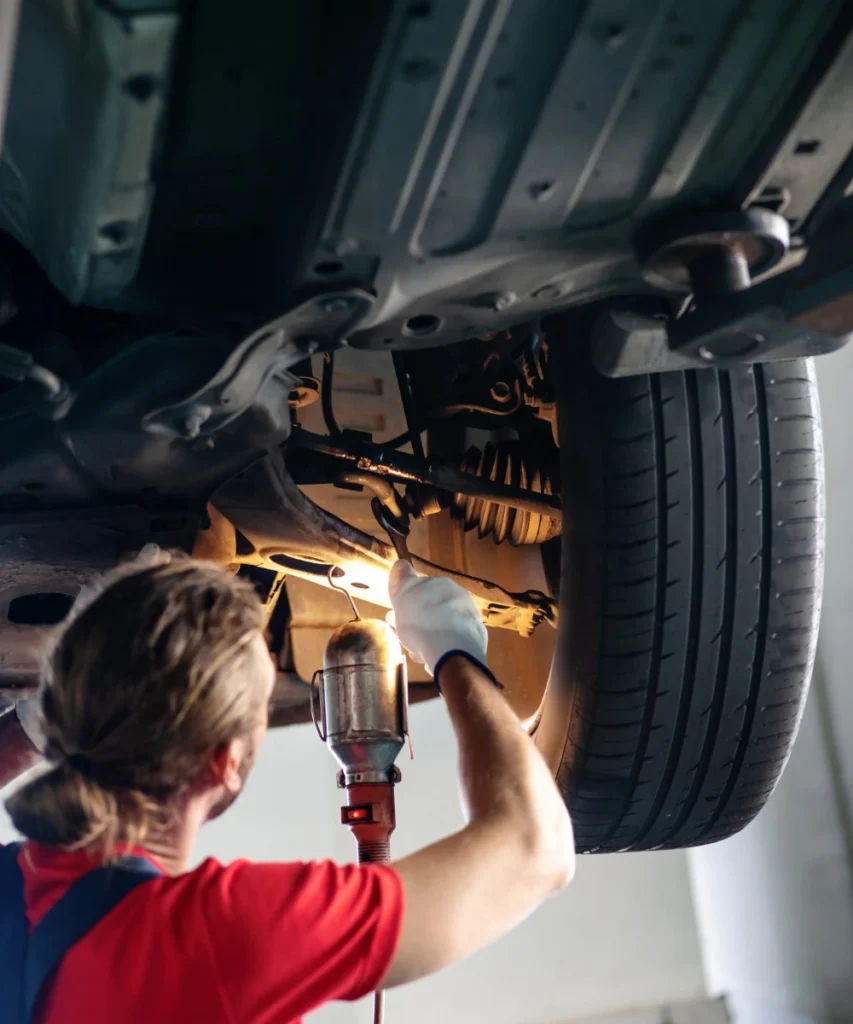
Signs Your Suspension May Need Attention
Your vehicle’s suspension is important for a smooth and stable ride. When there’s a problem, you might notice it in several ways. Early signs include changes in how the car handles, strange noises near the wheels, or uneven tyre wear. Paying attention to these signs can help you spot issues before they become serious and affect safety, comfort, or handling.
Noises Over Bumps
Knocking or clunking sounds when driving over bumps often mean suspension parts like bushes or joints are worn out. You may hear these sounds over potholes or speed bumps, and they can get louder as parts loosen over time. If you notice these noises, get them checked right away.
Ride Instability
A rough ride, bouncing after bumps, or feeling unstable can signal worn shock absorbers or springs. The car may feel less controlled on uneven roads and may take longer to settle after dips or turns. This should be checked for safety as soon as possible.
Tyre Wear & Pulling
Uneven tyre wear, pulling to one side, or a crooked steering wheel can indicate worn suspension parts or alignment problems. Tyre condition and pressure can also affect these issues, so a complete inspection is necessary to find the exact cause before making repairs.
Hearing Knocks or Feeling a Change in Your Car's Ride?
If you hear knocking or clunking sounds, feel excessive bouncing, have an uneven ride, or notice your car pulling to one side or uneven tyre wear, schedule a suspension check with Heywood MOT Station. We will inspect the parts, find any issues, and discuss repair options.
What Happens During Suspension Inspection and Repair?
Suspension inspection means checking important parts for wear or damage. It also involves finding the cause of any problems and making the needed repairs to ensure safe handling, stability, and comfort while driving.
Inspect Suspension
Check important parts like springs, shocks, bushes, arms, ball joints, and links. Inspect steering and wheel components if needed. Look for wear, damage, or excess movement.
Find the Fault
Similar symptoms can come from different issues. Noises, pulling, or vibrations may come from the suspension, tyres, alignment, or other systems. Use your inspection results or Vehicle Diagnostics if necessary.
Repair Suspension
Once you identify the problem, explain the repair options and perform only the needed repairs. This may include replacing worn shocks, springs, bushes, arms, joints, or mounts.
Final Checks
After repairs, check for any remaining symptoms, inspect tyres, and assess handling. Wheel alignment might be needed but doesn’t replace worn parts. If necessary, proceed with the MOT retest.
Why Choose Heywood MOT Station for Suspension Repairs?
We are a trusted local garage in Heywood that provides honest suspension inspections and repairs. We focus on accurate diagnosis, clear communication, and reliable work to keep your vehicle safe and comfortable on the road.
Local Suspension Repairs in Heywood
We offer suspension inspections and repairs in Heywood and nearby areas. If you hear knocking, feel bouncing, or notice poor handling, we can check your suspension and find the problem before suggesting repairs.
Inspection Before Parts Are Replaced
Suspension issues can have many causes, so we always inspect first. We look for wear, damage, excessive movement and related concerns before recommending any repairs or replacements.
Clear Advice on Worn Components
If a part is worn or damaged, we explain it simply. You’ll understand what needs fixing, how it affects your vehicle, what repair may be suitable, and whether any related areas should also be checked.
Tyre and Wheel Alignment Support
Suspension issues can affect your tyres and steering. We can check these if needed. Wheel alignment may be necessary after repairs, but it won't fix worn suspension parts.
MOT Suspension Repair Support
Suspension faults can cause MOT failures. If this happens, we can carry out the necessary repairs, explain the work required and arrange the appropriate MOT retest afterwards.
Wider Repair and Maintenance Support
Suspension problems can relate to other issues. We also provide car repairs, brake replacement, diagnostics, servicing, and vehicle health checks where further attention may be needed.
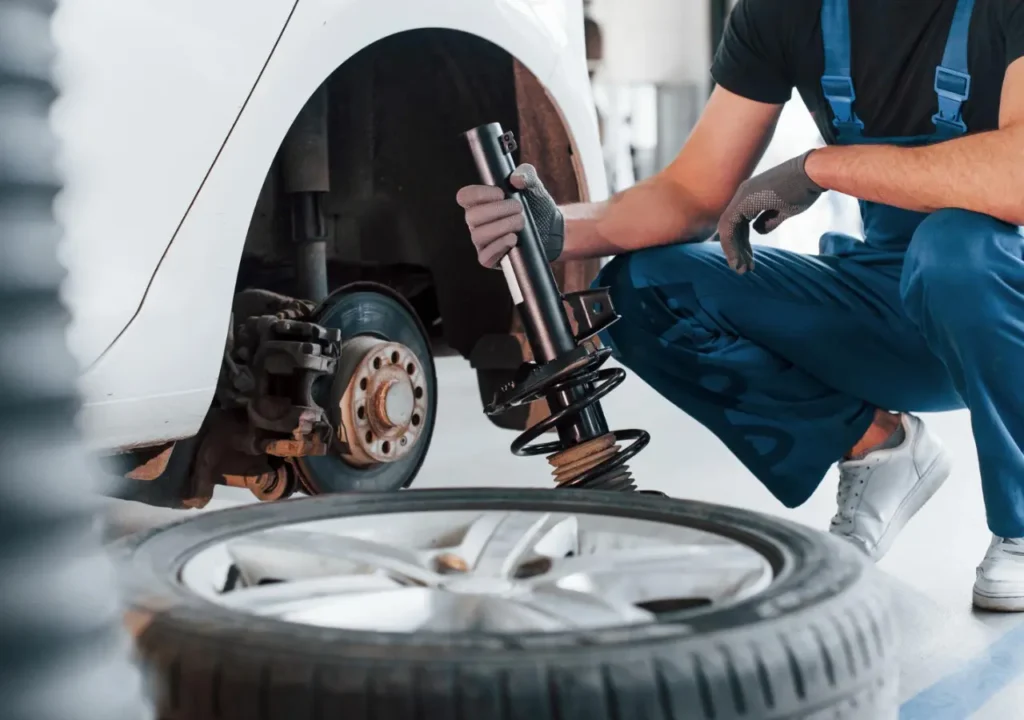
Suspension Repairs in Heywood & Surrounding Areas
Heywood MOT Station helps drivers in Heywood and nearby areas with suspension inspections and repairs. If you hear knocking or clunking noises, feel bouncing, have a rough ride, notice uneven tyre wear, or have handling issues, we can check your suspension and suggest the best solutions.
Local Areas We Cover
- Rochdale
- Bury
- Middleton
- Castleton
- Norden
- Bamford
- Birch
- North Manchester
Get Your Suspension Checked Before Replacing Parts
Let us know what you’ve noticed, like a knocking noise, bouncing, pulling, or changes in how your ride feels. We will check the suspension to see what needs fixing and look at tyre wear or alignment if needed. Then, we can talk about the best repair options.
Your Suspension Questions, Answered Clearly
Quick answers to common questions about suspension problems, repairs, and maintenance.
Look for signs like knocking noises over bumps, too much bouncing, a rough ride, strange body movements, uneven tyre wear, or changes in handling. Sometimes, one corner of the car may sit lower than the others. These signs can have different causes, so checking the suspension is the best way to find out if parts like springs or shock absorbers need fixing.
A knocking noise can come from worn parts like bushes, ball joints, or springs. The noise might also be from another area of the car. Since the sound alone can’t pinpoint the issue, a thorough inspection of the suspension is needed to find and fix the problem.
Clunking sounds mean a part is moving too much. Worn bushes, joints, or mounts could cause this. The noise might change with speed, steering, or weight in the car. A mechanical check can find the source and see if a repair is needed.
Excessive bouncing means the suspension isn't controlling movement well. Worn shock absorbers might be part of the problem, but that doesn’t always mean they need replacing. Other factors like springs, mounts, tyre condition, and pressure can also affect feel. The suspension should be checked before deciding on repairs.
Signs include excessive bouncing, a rough ride, more body movement, changes in stability, and unusual tyre wear. Sometimes, visible damage or leaking fluid can be seen. These symptoms don’t only point to shock absorbers, so it’s important to check other suspension parts and tyres before making replacements.
A damaged coil spring may cause one side of the vehicle to sit lower, produce knocking sounds, or affect how the vehicle rides. Sometimes, you may see a broken spring during an inspection. However, these symptoms can also come from other suspension parts, so it’s important to check the spring and nearby components before deciding on repairs.
Yes, worn or damaged suspension parts can change how the wheel sits or moves on the road, leading to uneven tyre wear. However, tyre wear also depends on tyre pressure, wheel alignment, and steering issues. Always fix any worn suspension parts first, then check the tyres and alignment.
Yes, but not always. Worn suspension parts can change wheel position or steering. However, issues with tyres, tyre pressure, brakes, or alignment can also cause the vehicle to drift. It's best to inspect the suspension and related areas instead of assuming misalignment is the only problem.
No. A vehicle pulling to one side can be caused by many things, like uneven tyre pressure, tyre wear, alignment, steering issues, or braking problems. While suspension wear may be one cause, it’s crucial to inspect the vehicle to find the real issue before recommending repairs.
Yes. Worn or damaged suspension parts can disrupt wheel position and lead to alignment issues. After certain suspension repairs, checking the alignment is a good idea. However, alignment cannot fix worn parts like bushes, springs, or joints. Always address any suspension problems before relying on alignment to solve tracking or tyre wear issues.
Suspension systems have several parts that can wear out over time, such as shock absorbers, coil springs, bushes, ball joints, suspension arms, anti-roll bar links, and top mounts. The first parts to wear depend on the vehicle, mileage, driving conditions, and repairs. Always check the condition of each part before deciding to replace it.
Yes, worn bushes can cause knocking, clunking, or creaking sounds by allowing too much movement between parts. However, other components like joints, links, and mounts can make similar noises. Don’t assume it’s a bush issue until the suspension is inspected.
Yes. Suspension parts are checked during the MOT, and certain issues can cause a failure. This includes excessive wear, damage, or instability. If your vehicle fails due to a suspension problem, you can review the results before discussing repairs.
Heywood MOT Station can evaluate any suspension problems found during the MOT and suggest repair options based on what they find. The necessary work will depend on the specific issue and the condition of the parts. After repairs, the vehicle must go through the MOT retest, and passing is not guaranteed just because repairs were made.
It depends on the component, vehicle design, manufacturer recommendations, and the condition of the parts. Some components should be replaced in pairs for balanced performance, while others can be replaced individually. The decision should be based on inspections. The garage can advise on whether to replace one or both sides for your vehicle.
Shock absorbers and suspension parts don’t have a set lifespan. Their durability depends on factors like mileage, road conditions, vehicle weight, driving style, and the parts' quality. Some may last a long time, while others wear out faster. Regular checks and noticing symptoms are better than relying on mileage alone.
Sometimes. Certain suspension repairs can change wheel positioning, so checking wheel alignment may be necessary. It’s not needed after every repair, but it depends on what was fixed. Alignment should also occur after replacing worn suspension parts, as adjustments won't fix damaged components.
The inspection focuses on the areas related to your reported issues. This may include springs, shock absorbers, bushes, and other suspension and steering parts. The goal is to identify wear, damage, or excessive movement and determine the cause before suggesting repairs. Not all parts need to be taken apart during the first check.
If the inspection shows issues beyond the suspension, we will discuss those next steps. For example, unusual tyre wear may require a tyre check, while steering problems might need an alignment check. If the issue is unclear or involves other vehicle systems, further diagnostics may be needed before repairs are made.
Yes. You can contact Heywood MOT Station for a suspension inspection if you notice knocking, bouncing, poor ride quality, uneven tyre wear, or pulling. Start by explaining your symptoms so the right parts can be checked. After the inspection, we can discuss suitable repair or replacement options.