Brake Repairs and Replacement in Heywood
Noticed noises, vibration, or wear from your brakes? Heywood MOT Station offers brake inspections and replacements for local drivers, including brake pads and discs. We check your brake parts to see what needs fixing, helping you decide if you need a replacement, more investigation, or another repair.
- Brake Inspections
- Brake Pads & Discs
- Brake Replacements
- Local Repair Support
Brake Inspections
We inspect your brake components to identify wear, damage and possible repair needs.
Brake Pad Replacement
We check brake pad condition and advise when replacement may be needed.
Brake Disc Checks
We examine brake discs for wear and assess whether replacement is required.
Brake Repair Advice
Get guidance on replacement, further investigation or other brake repairs.
Reliable ECU Diagnostics for Heywood Drivers
An Electronic Control Unit (ECU) is a computer that manages certain functions in a vehicle. While it’s often linked to the engine management system, modern cars have multiple control units for different electronic systems. These units gather information from sensors, process it, and control outputs based on the vehicle’s programmed logic.
When a control unit finds an unusual signal from a sensor or a problem in communication, it saves diagnostic information. This helps identify which system needs fixing, but a fault code from an ECU doesn’t mean the ECU itself is broken. The issue could be due to a sensor, actuator, damaged wiring, a poor connection, incorrect voltage, or other components.
For ECU Diagnostics, it’s important to do more than just read and clear a code. Depending on the symptoms, additional electrical, mechanical, or system checks may be needed before suspecting the control unit is at fault. If engine performance is mainly affected, our Engine Diagnostics service may be the best choice. For wider issues, Car Diagnostics or Warning Light Diagnostics could be more suitable.
Heywood MOT Station offers local diagnostic support for drivers with ECU fault codes, unexplained electronic issues, or those who want to investigate problems before replacing parts. If the tests find another issue, we can discuss next steps, such as Car Repairs or Battery Replacement, based on the diagnosis.

Signs Your Brakes May Need Attention
Your braking system is crucial for safety. It's important to notice any changes in how it works. Early signs of trouble can include strange sounds, different pedal feel, or dashboard alerts. Spotting these issues quickly can help avoid serious problems.
Brake Noises
Noises like squealing, grinding, or clicking may mean your brake pads are worn, or parts are dirty. However, you need a full inspection to find the exact problem and avoid more damage.
Brake Feel Changes
If your brakes vibrate, pull to one side, or feel soft or stiff, it could mean worn brakes or other problems. These signs might also come from tyres, suspension, or alignment issues. A thorough check is necessary to find the real problem. Early diagnosis keeps your brakes safe and prevents extra costs.
Warning Lights & Wear
Brake or ABS warning lights, visible wear, or MOT issues may indicate problems with the braking system. These could be related to sensors, fluid levels, or worn parts. You need diagnostics and inspection to confirm the issue and plan repairs. Ignoring these signs can lower your braking performance and safety.
Been Told Your Car Has an ECU Fault?
If a diagnostic scan shows an ECU-related problem or your vehicle has strange electronic issues, Heywood MOT Station can help find the cause. We first check the fault information and related systems to see if the ECU is the real issue or if another part needs fixing.
What Happens During Brake
Inspection and Replacement?
Brake inspection and replacement is a systematic process that finds wear, spots issues, and makes sure the braking system works safely and well. It includes checking important parts, determining what work is needed, and doing only the repairs or replacements required based on the vehicle's condition.
Inspect Brakes
First, we check the braking parts related to the issue, like pads, discs, callipers, hoses, and brake lines. We only remove necessary parts to check wear and find the problem.
Confirm Repairs
After the inspection, we determine what needs repair or replacement. Worn pads do not always mean other parts are bad, and noise doesn’t always indicate bad pads. We make recommendations based on their condition and symptoms.
Do Repairs
Once we agree on the repairs, we complete the necessary brake work, which may include replacing pads or discs. We discuss any other problems found before continuing. Repairs are based on the inspection, not a standard list.
Final Check
After finishing the work, we check the brakes again to ensure the problem is fixed. If warning lights stay on, more diagnostic checks may be needed. An MOT retest might also be necessary if the repair followed a failure.
Why Choose Heywood MOT Station for ECU Diagnostics?
Heywood MOT Station can check ECU warning lights, fault codes, and electronic system issues. We perform diagnostic tests and troubleshooting to find the likely cause before suggesting repairs or replacement parts.
Local ECU Checks
We help drivers in Heywood and nearby areas find out what might be causing electronic or control-system issues with their vehicles.
ECU Fault Codes
An ECU fault code is a clue for diagnosing problems. It doesn’t mean you should replace the part without further checks.
Diagnostic Checks
We can check the power supply, wiring, connectors, and sensors to see if the ECU is really at fault.
ECU Replacement Advice
Just finding fault information doesn’t mean you need to replace the ECU. It's important to evaluate the evidence first.
Diagnostic Services
Depending on the symptoms, we can offer Car Diagnostics, Engine Diagnostics, or Warning Light Diagnostics to investigate the issue.
Repair Support
If we find another problem, we can provide services like Car Repairs, Battery Replacement, Exhaust Repairs, or Brake Replacement.
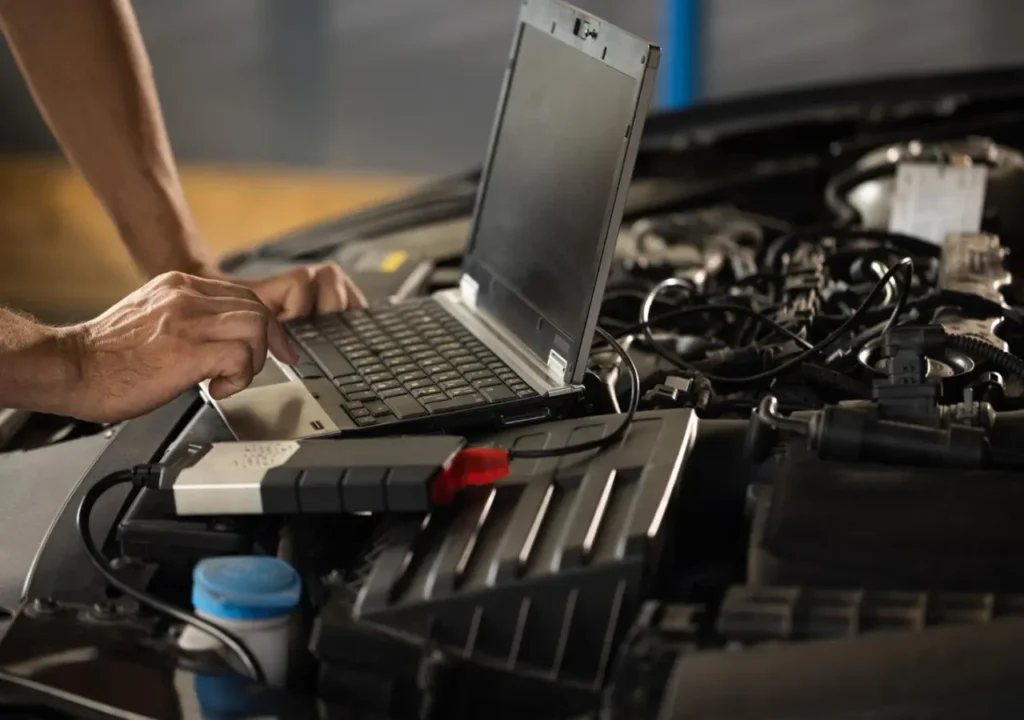
ECU Diagnostics Across Heywood & Nearby Areas
Heywood MOT Station helps drivers in Heywood and nearby areas with problems related to ECU fault codes, electronic warnings, and control-system issues. We first investigate the fault information before deciding if the ECU is faulty.
Areas We Cover
- Rochdale
- Bury
- Middleton
- Castleton
- Norden
- Bamford
- Birch
- North Manchester
Confirm the ECU Fault Before Replacing Components
ECU fault codes are just one part of the issue. Looking at the symptoms and checking the wiring, sensors, connections, and related systems can help determine if the control unit is really the problem and decide the best next step.
ECU Diagnostics FAQs: Clear Answers to Common Questions
Get clear help with ECU fault codes, warning lights, sensors, wiring problems, and diagnostic checks.
An ECU, or Electronic Control Unit, is a computer that controls a specific system in a car. While most people think of the Engine Control Unit, modern cars have many ECUs. They gather data from sensors, process it, and manage parts or motors. If they find any unusual signals or conditions, they may store error codes to help troubleshoot.
An ECU collects data from sensors and uses programmed rules to manage vehicle functions. For example, in an engine system, it checks temperature, airflow, and engine speed before controlling related actions. Other ECUs handle different systems in the car. An ECU needs accurate sensor signals, good wiring, proper voltage, and working components. A problem that seems to be with the ECU could actually come from another area.
ECU Diagnostics look into error codes linked to an Electronic Control Unit or its systems. This process involves checking stored error codes, system info, and live data. Technicians also consider the vehicle’s symptoms and perform additional checks if needed. The goal is to find the real cause of the issue, not just assume the ECU is faulty because it shows an error code.
ECU Diagnostics focuses on problems related to the control unit, its inputs, outputs, power supply, or connected parts. In contrast, Car Diagnostics covers issues across many vehicle systems, including electronic and sometimes mechanical problems. If your issue relates specifically to an ECU error code, ECU Diagnostics is the better choice to start with.
ECU Diagnostics focuses on the electronic control unit, its circuits, sensors, actuators, and fault information. Engine Diagnostics looks at engine issues like misfires, stalling, or loss of power. They overlap because the engine ECU controls many functions, but a fault code does not mean the ECU is broken.
Signs of an ECU fault can include recurring codes, a warning light, intermittent electrical issues, starting problems, or strange system behaviour. However, these signs don't confirm an ECU failure. Issues could also come from sensors, wiring, connectors, or mechanical parts. A proper diagnosis is needed before suspecting the ECU.
No, a fault code is just a clue, not proof of a broken ECU. The code might relate to a circuit, sensor, actuator, or another issue that the ECU monitors. To interpret the code correctly, it should be looked at alongside the vehicle's symptoms and checked further if needed.
Yes. The ECU uses sensor information to operate the vehicle. If a sensor gives wrong or missing signals, the ECU may set a fault code or cause unusual behaviour. This doesn’t mean the ECU is faulty; it's important to check the sensor and its connections before assuming the ECU is at fault.
Yes. Damaged wires, bad connections, corrosion, and loose plugs can lead to ECU fault codes. The ECU works properly only if it receives a steady electrical supply and accurate signals. Checking the wiring and connections is crucial when investigating ECU faults before concluding that the control unit is at fault.
Yes. Low or unstable voltage can cause control units or sensors to act oddly, leading to electronic fault codes or warning lights. This doesn’t mean the ECU is damaged. It’s important to check the battery, charging system, connections, and voltage supply during the investigation. If needed, assessing the battery for replacement might be necessary.
Multiple warning lights may appear together if different systems detect related faults or if there’s a common electrical issue. Problems in communication between control units can also cause several warnings. This doesn’t mean the ECU has failed. Running diagnostics may help if multiple systems are affected, especially if the problem is temporary or follows a low-voltage event.
Sometimes yes. An ECU problem can contribute to starting issues because it helps control engine functions. However, other factors like battery condition, connections, sensors, starter issues, and mechanical problems can also cause starting difficulties. It’s essential to investigate the symptoms and fault codes before assuming the ECU is the problem.
Yes, ECU faults can lead to poor engine performance, hesitation, or other issues. However, the ECU might just be reacting to wrong information from a sensor or an actuator problem. If engine performance is the main concern, using Engine Diagnostics is a better way to find the root cause instead of blaming the ECU right away.
Not just from a fault code. A diagnostic scanner shows useful information like error codes and system status, but it needs to be understood in context. You may also need to check wiring, voltage supply, and related systems. Sometimes, specialised tests are necessary to confirm if the control unit is truly faulty.
An ECU communication fault means that electronic information hasn't been exchanged properly between control units or systems. Causes can include voltage issues, faulty wiring or connectors, or a non-responsive control unit. A communication fault does not automatically indicate that the ECU has failed. More investigation is needed to find the source of the problem.
No. Clearing a fault code only removes the stored information and does not fix the actual problem. If the issue persists, the code or warning may come back. Effective investigation requires understanding why the code appeared and checking the relevant system. Fault codes are most useful when treated as part of the diagnostic process, not just deleted without finding the cause.
No. Many faults are due to issues outside the ECU, like sensors, wiring, or mechanical problems. Just because an ECU shows up in a diagnostic report doesn’t mean it needs to be replaced. The next step depends on further tests and analysis.
If the diagnostics suggest the ECU or another control unit is faulty, the next step will depend on the vehicle and the type of fault. Sometimes, a specialist may need to evaluate the situation before deciding to repair or replace anything. Heywood MOT Station can explain the findings and recommend whether to test other components or consult a specialist.
No, ECU Diagnostics do not automatically include programming, coding, or remapping. These diagnostics focus on identifying fault information related to control units. Programming and software changes are different processes. If testing shows that specialised work is needed, we can discuss the next steps.
Yes. Heywood MOT Station offers ECU Diagnostics for drivers with ECU-related fault codes or electronic issues. We investigate the fault information and check related systems before blaming the ECU. Contact us to schedule a diagnostic check or discuss your issues.