Dashboard Warning Light Diagnostics in Heywood
Has a warning light shown up on your dashboard? Heywood MOT Station offers Warning Light Diagnostics to find out which part of your vehicle might be affected. We can check for faults, explain their meaning, and conduct additional electrical or mechanical tests if the warning doesn't show the full issue.
- Dashboard Warning Light Checks
- Diagnostic Fault Code Reading
- Fault Explanation & Advice
- Further Diagnostic Testing
Dashboard Warning Light Checks
We investigate warning lights to identify which vehicle systems may require attention.
Diagnostic Fault Code Reading
We read available diagnostic fault codes to help understand why a dashboard warning has appeared.
Fault Explanation & Advice
We explain what detected faults may mean and advise on the next steps for your vehicle.
Additional Diagnostic Testing
Where fault codes are inconclusive, further electrical or mechanical checks may be recommended.
Get Clear Answers from Warning Light Diagnostics in Heywood
Modern cars use dashboard warning lights to alert drivers when there’s a problem. These warnings can be about the engine, brakes, airbags, charging systems, or other electronics. A light might stay on, turn on briefly, or change how the car starts or drives.
The warning light shows which system is involved but may not pinpoint the exact problem. Diagnostic information, including fault codes, can help figure things out. However, these codes should be considered with the car’s symptoms and behaviour, not just as instructions to replace a part.
Diagnosing a warning light may involve scanning the system and doing further checks as needed. If the issue is more complex, broader car diagnostics may be required. Engine warnings with running issues may need engine diagnostics, while confirmed problems might lead to services like repairs or part replacements.
Heywood MOT Station helps drivers in Heywood understand dashboard warnings and what to do next. Simply clearing a warning doesn’t fix the problem, and the light may come back if the issue isn’t resolved. If a warning affects an MOT test, the findings can assist with MOT repair needs.
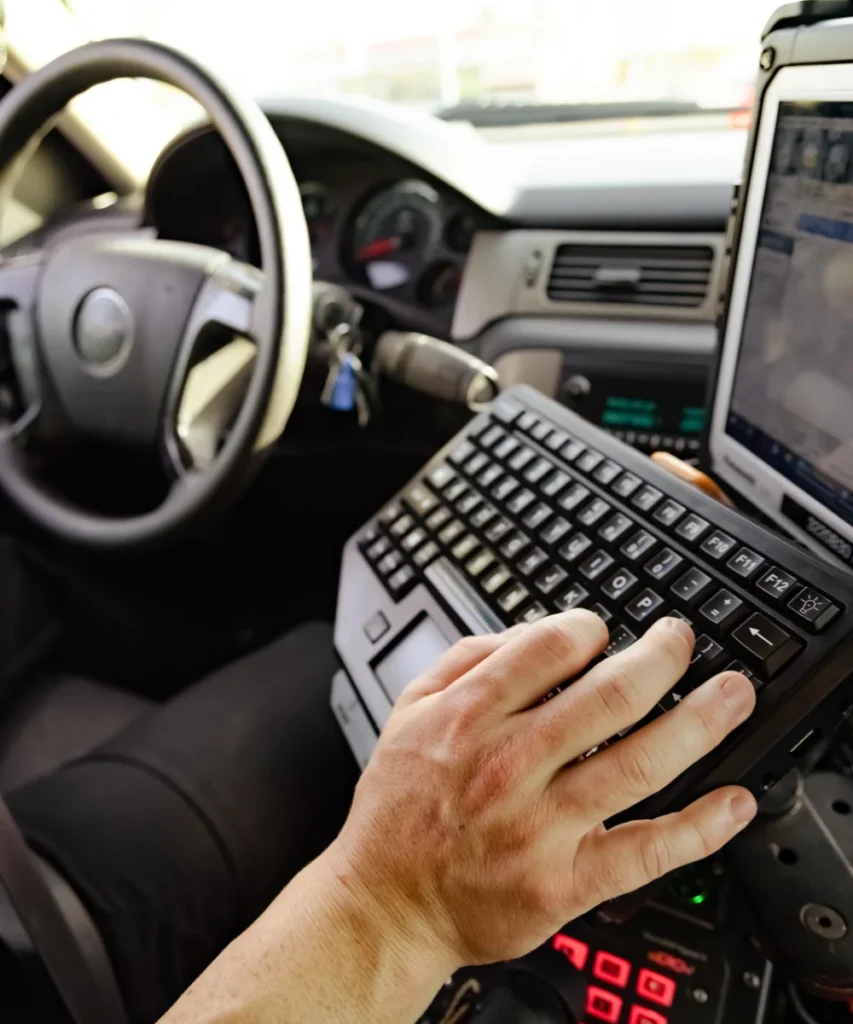
Dashboard Warning Lights We Can Help Investigate
Dashboard warning lights can show problems ranging from small sensor issues to serious faults needing quick action. Our team can check these lights with diagnostic tools and hands-on tests, then explain what's wrong and what to do next.
Engine and Emissions
Engine and emissions warnings can be caused by issues with sensors, ignition, fuel, air management, or electrical and mechanical problems. If you notice the warning light along with rough running or less power, consider getting Engine Diagnostics.
ABS and Brake Warnings
Warnings for ABS, brakes, stability, traction control, and airbag systems may point to sensor problems, circuit issues, or mechanical faults. An ABS light doesn't always mean your brakes are worn. Look into Car Diagnostics or Brake Replacement if needed.
Battery and Other Warnings
Battery, charging, oil, temperature, and tyre-pressure warnings should be assessed with the vehicle's behaviour and physical checks. A battery warning light might mean a problem with the charging system instead of the battery. Consult Car Diagnostics or consider Battery Replacement if necessary.
Has a Warning Light Appeared on Your Dashboard?
Inform Heywood MOT Station about which warning light is showing. Also, mention any other issues you’ve noticed, like strange sounds, lower performance, or changes in how your vehicle drives. We will look into the warning, check for faults, and guide you on what to do next.
What Happens During Warning Light Diagnosis?
Diagnosing a warning light means figuring out what the warning is, checking for stored error messages, and doing tests to find the main cause. We clearly explain what we found and suggest the next steps, whether it's watching the issue, planning a repair, or doing more checks.
Identify Symptoms
First, we confirm which light is on, when it started, if it's steady or flashing, and if there are other warning signs or driving issues.
Read Fault Information
We check for diagnostic information like fault codes, system status, and live data that can help us investigate further.
Check the Cause
Next, we inspect wiring, connections, sensors, fluids, and parts. Similar warnings can have different causes.
Explain the Next Step
We clarify the likely cause and decide if more diagnosis or repairs are needed, including engine checks, car repairs, brakes, batteries, exhausts, or MOT failure repairs.
Why Choose Heywood MOT Station for Warning Light Diagnostics?
Heywood MOT Station offers warning light diagnostics to help you understand what your vehicle’s dashboard warnings mean and what to do next. We look at fault codes, symptoms, system behaviour, and relevant checks. This helps you know if you need further investigation, repairs, or MOT support.
Warning Light Diagnostics in Heywood
We offer clear investigations for drivers in Heywood to understand dashboard warnings and what to check next.
Warning Lights Need Diagnosis
A warning light shows that something needs attention but doesn’t always specify what is wrong or what repair is necessary.
Fault Codes in Context
We analyse stored fault codes along with symptoms and perform checks to avoid guessing based on codes alone.
Support for Vehicle Systems
We check warning lights related to the engine, brakes, charging systems, and more, using Car Diagnostics and Engine Diagnostics when needed.
Clear Repair Next Steps
We explain what may have caused the warning, whether further investigation is needed, and what repairs are possible, including Car Repairs if applicable.
MOT and Repair Support
Some warning lights can impact your MOT results. We can guide you with MOT Failure Repairs, MOT Tests in Heywood, Brake Replacement, or Battery Replacement when necessary.
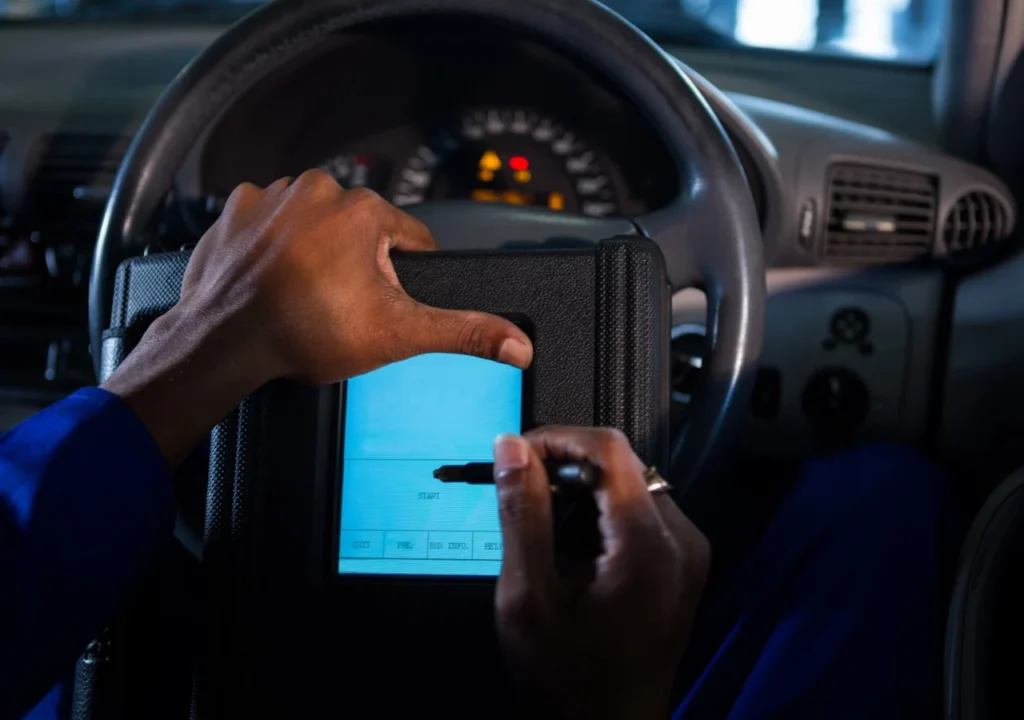
Warning Light Diagnostics in Heywood & Surrounding Areas
Heywood MOT Station assists drivers in Heywood and surrounding areas. We check dashboard warning lights, investigate engine management lights, diagnose ABS warnings, and look into battery or charging issues. We also help find intermittent warning-light problems and provide diagnostic support after an MOT failure.
Helping Drivers Across Nearby Areas
- Rochdale
- Bury
- Middleton
- Castleton
- Norden
- Bamford
- Birch
- North Manchester
Find Out Why the Warning Light Is On
A dashboard warning is just the beginning. Heywood MOT Station can find out which system set off the alert, look at important diagnostic information, and explore the likely cause before replacing any parts. Once we understand the issue better, we can advise if more testing or a specific repair is needed.
Common Questions About Dashboard Warning Lights
Get straightforward answers about warning symbols, diagnostic checks, and what to do next for your vehicle.
A dashboard warning light indicates that a vehicle system needs attention. The symbol usually relates to a specific system, like the engine or brakes, but it doesn’t show which part is broken. The meaning and urgency vary based on the vehicle, symbol, colour, and any additional symptoms, so check your handbook and investigate when necessary.
First, identify the warning symbol and look it up in your vehicle handbook. Note the light’s cocolourlor, whether it’s blinking or steady, and any changes in how the vehicle drives. Some warnings need quick action, while others can wait. Always follow the manufacturer’s advice and get a professional opinion if needed.
No, a warning light usually shows that a vehicle system needs checking but doesn’t pinpoint a specific issue. For instance, the same light can indicate problems with sensors, wiring, or other related issues. Diagnostics can help identify the cause through further checks.
The engine-management light turns on when the vehicle finds a problem with engine control or emissions. Possible causes include sensor issues, ignition faults, or mechanical problems. The light doesn’t specify what’s wrong. If you notice rough running or reduced performance, you may need detailed engine diagnostics.
An ABS warning light means there’s a problem with the anti-lock braking system. The issue might involve a sensor, wiring, or another component. It doesn’t always mean that brake parts need replacing. Investigate the warning, and base any decisions on the actual condition of the brakes, not just the ABS light.
A brake warning light indicates different issues based on the vehicle. It could relate to the parking brake, brake fluid level, or a problem with the braking system. Check the vehicle handbook for specifics and watch for any changes in braking. If the light stays on or you have braking issues, see a professional.
An airbag or SRS warning light shows there is a problem with the airbag system or its wiring. This doesn't always mean the airbag is faulty. Sensors and other parts might also be affected. Investigate the issue with proper diagnostics instead of assuming a specific part needs to be replaced.
A battery warning light usually indicates an issue with the charging system, not just a worn battery. It could be related to the alternator, connections, or wiring. Since the charging system powers the electrical components, assess the warning along with any starting or electrical issues.
No, a battery warning light doesn't automatically mean you need a new battery. It could signal a problem elsewhere in the charging system, like the alternator. Test before replacing any parts. Only replace the battery if it's confirmed to be weak or faulty.
An oil warning light is not just a reminder for an oil change. It could indicate low oil pressure, low oil level, or other serious issues. Check the vehicle handbook and consult a professional. Simply adding oil without understanding the warning may not fix the real problem.
A warning light may flash when there’s a problem that happens only sometimes, or when a sensor or connection works outside its normal range. The light might go away, but the issue could still be stored in the system. Noting when the warning appears — like during cold starts, braking, or long drives — can help diagnose the issue. Intermittent warning lights should still be checked if they come back.
Multiple warning lights can come on when several systems have problems or when one issue affects multiple systems. For example, a problem with electrical supply might trigger several warnings. Simply replacing parts based on how many lights are on isn’t effective. It’s better to do a full car diagnostic when several systems are involved.
Yes. Sensors track many vehicle systems, and a wrong signal can trigger a warning light. However, just because there's a stored fault code related to a sensor doesn’t mean the sensor is broken. The issue might be with wiring, connections, or another system. More testing is needed to find out if the sensor or another part needs fixing.
A diagnostic scanner can often get helpful information from the vehicle that caused the warning light. This can include fault codes and system status. However, scanning is just one part of diagnosing the problem. The information must be understood along with other symptoms and checks to confirm the cause.
Not always. A diagnostic trouble code usually describes a problem detected in a system or condition but doesn’t specify a part that needs to be replaced. Different issues can cause the same code. For instance, a code related to a sensor circuit might involve the sensor, wiring, connection, or power supply. Proper diagnosis should identify the exact cause before replacing any parts.
No, clearing a warning light or deleting a fault code does not fix the actual issue. If the problem still exists, the vehicle will likely detect it again, and the warning light will return. To properly diagnose a warning light, focus on understanding why it appeared, confirming the cause, and deciding on the right repairs instead of just turning the light off.
Yes, some dashboard warning lights can impact an MOT result, depending on the vehicle and the warning shown. If a warning contributes to a failed MOT, it’s important to diagnose the root cause before making repairs. Fixing the identified issues can help, but there’s no guarantee of passing the next MOT.
If a warning light reappears after being cleared, it usually means the vehicle has detected the fault again. This indicates the problem hasn’t been fixed. Consistently clearing the warning isn't a long-term solution. You should recheck the diagnostic information and conduct further tests to find out why the warning keeps showing up.
Once you understand the likely cause, the next step is to identify which system is affected and what repairs are needed. This could involve further diagnosis or services like car repairs, brake replacements, battery changes, or exhaust repairs. Diagnosis does not always lead to repairs, so it’s important to discuss the next steps before replacing any parts.
Yes, Heywood MOT Station offers Warning Light Diagnostics for drivers with dashboard warnings like engine management, ABS, brakes, and battery alerts. When contacting them, describe the warning symbol, whether it’s steady or flashing, and any other symptoms. You can use the Contact Us page to ask about scheduling a warning-light check.