Local Vehicle Repair & Diagnostic Support
Expert Car Repairs
Expert Car Repairs
in Heywood
Get vehicle repairs, mechanical checks, and diagnostic support from your local garage in Heywood. We carefully inspect your vehicle, explain the issues, and suggest the best next steps.
- Vehicle Repairs
- Mechanical Checks
- Diagnostic Support
- Clear Advice
Vehicle Repairs
Professional repair support for faults and mechanical issues.
Detailed Inspection
We carefully inspect your vehicle to identify potential issues.
Diagnostic Support
Diagnostic checks help us investigate vehicle faults more accurately.
Clear Next Steps
We explain the issues clearly and suggest the best next steps.
Car Repairs in Heywood
Even a well-kept car can develop problems over time. Normal wear, age, high mileage, changing driving conditions, and issues with parts can all affect how your car runs. Skipping maintenance can let small issues turn into bigger ones.
At Heywood MOT Station, we offer car repairs in Heywood for various everyday and complex problems. If you notice a strange noise, a warning light, or your car isn’t performing well, our team can inspect it to find the cause.
The right repair begins with understanding the problem. Depending on what you notice, we may do a visual check, test parts, or run diagnostics before suggesting repairs. This approach prevents unnecessary parts replacements and helps us explain our findings and options to you.
From simple repairs to more complex issues with the engine, clutch, suspension, brakes, and emissions system, our independent garage in Heywood offers practical support based on your car’s condition and our inspection results.

When Does Your Car Need Repair?
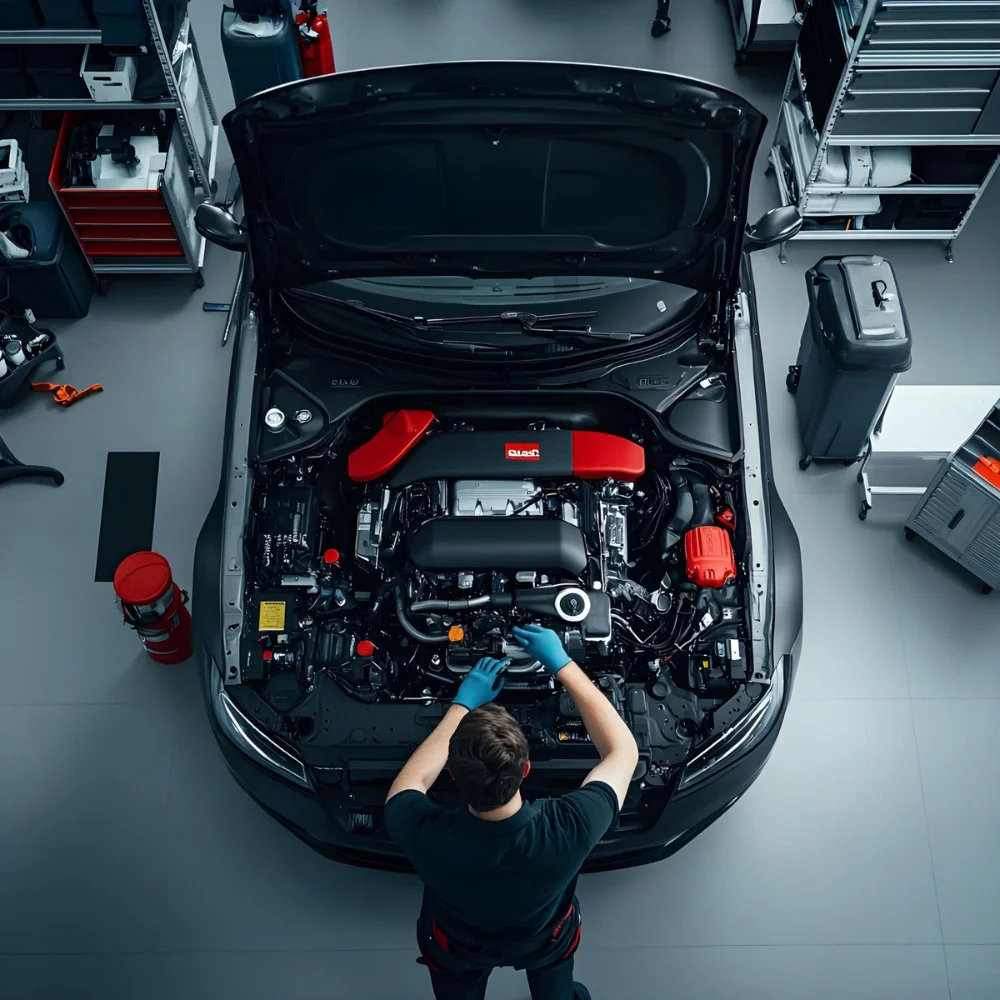
Changes in your car’s sound, feel, or performance may mean it needs help from a professional. Some issues build up over time because of wear and tear, while others happen suddenly due to a broken part.
A symptom doesn’t always mean one specific problem. If you see a new warning light, hear a noise, feel a vibration, or notice a change in performance, a thorough inspection or diagnostic check can help find the cause before any repairs are suggested.
Common Signs Your Car May Need Attention
- Listen for unusual sounds.
- Check your dashboard for alerts.
- Notice if brakes aren’t working well.
- Feel for any changes in handling.
- Watch for strong shakes while driving.
- Notice if the engine feels weak.
- If the car won’t start easily, there’s an issue.
- Watch for the engine getting too hot.
- Pay attention if you're using more gas.
- Look for smoke coming from the exhaust.
- Listen for strange noises from the exhaust.
- Check for leaks under the car.
- Feel if the clutch isn’t engaging properly.
- Notice if the car doesn’t speed up well.
- Check if the battery isn’t holding a charge.
- Listen for banging noises in the suspension.
Our Car Repair Services
Heywood MOT Station offers various vehicle repair services in Heywood. We handle everything from routine wear-and-tear repairs to complex engine and diesel emissions work. Since similar issues can have different causes, we inspect the vehicle to find the problem before suggesting repairs or replacements.
Car Repairs
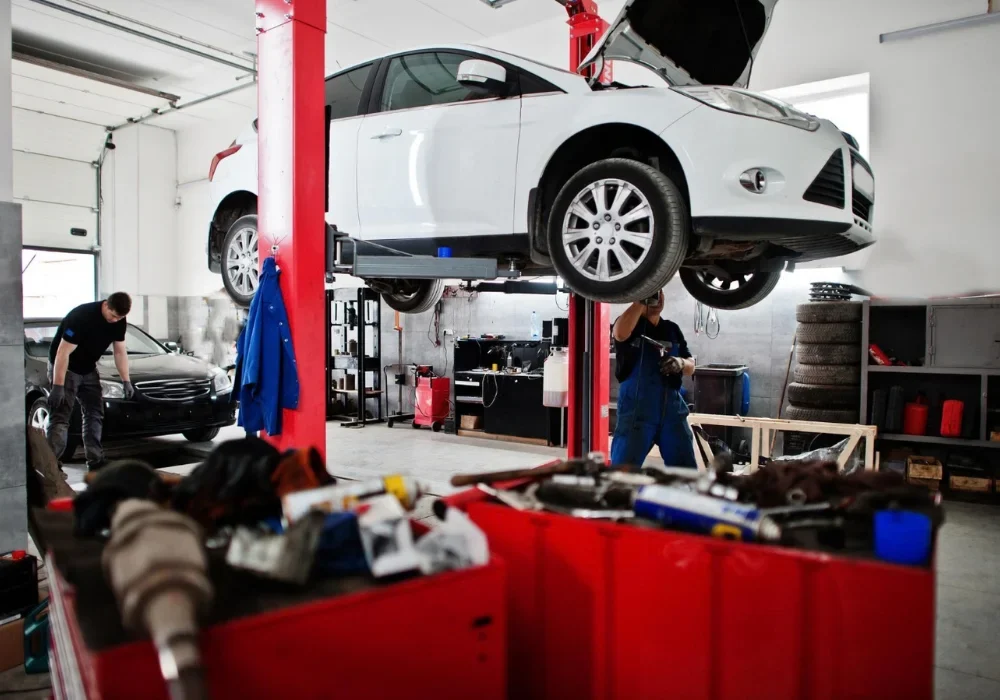
Our Car Repairs service fixes mechanical problems, worn parts, strange noises, performance issues, MOT failures, and general maintenance. Problems can arise gradually or suddenly, and proper repairs rely on accurate diagnosis. We check the affected system, find the cause of the problem, and clearly explain our findings. Then, we recommend repair options based on your vehicle’s condition and safety needs.
Brake Replacement
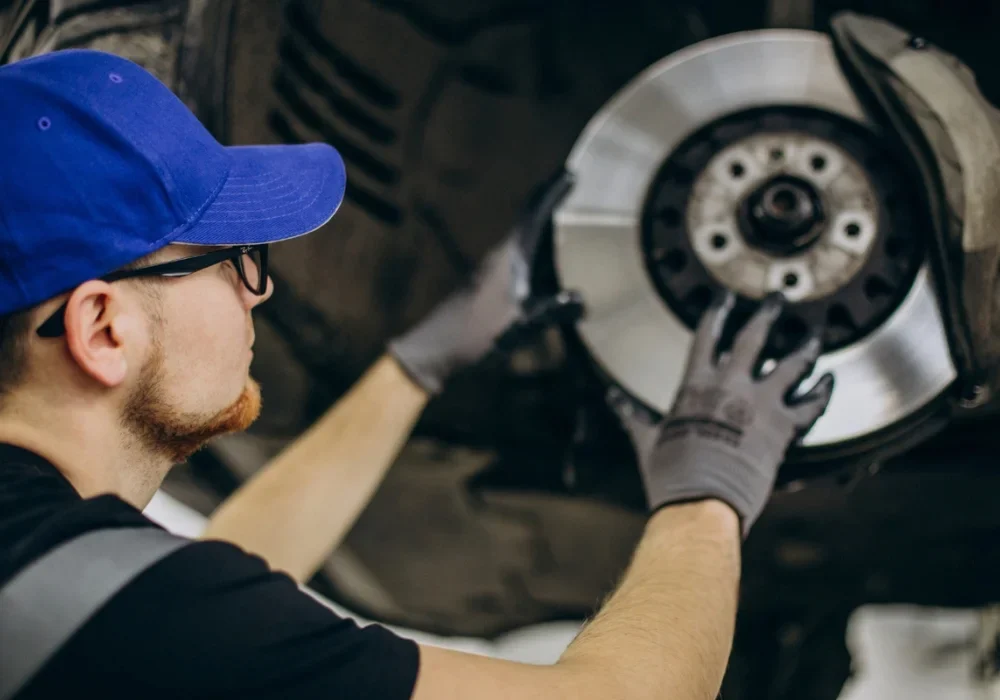
Your braking system is crucial for safe driving. If you hear squealing or grinding sounds, feel reduced braking power, notice vibrations, or see a warning light, your brakes may need attention. These signs don’t always mean you need to replace parts right away, so it’s important to have them checked first. Our Brake Replacement service can include pads, discs, or other parts once we confirm wear or damage.
Suspension Repairs
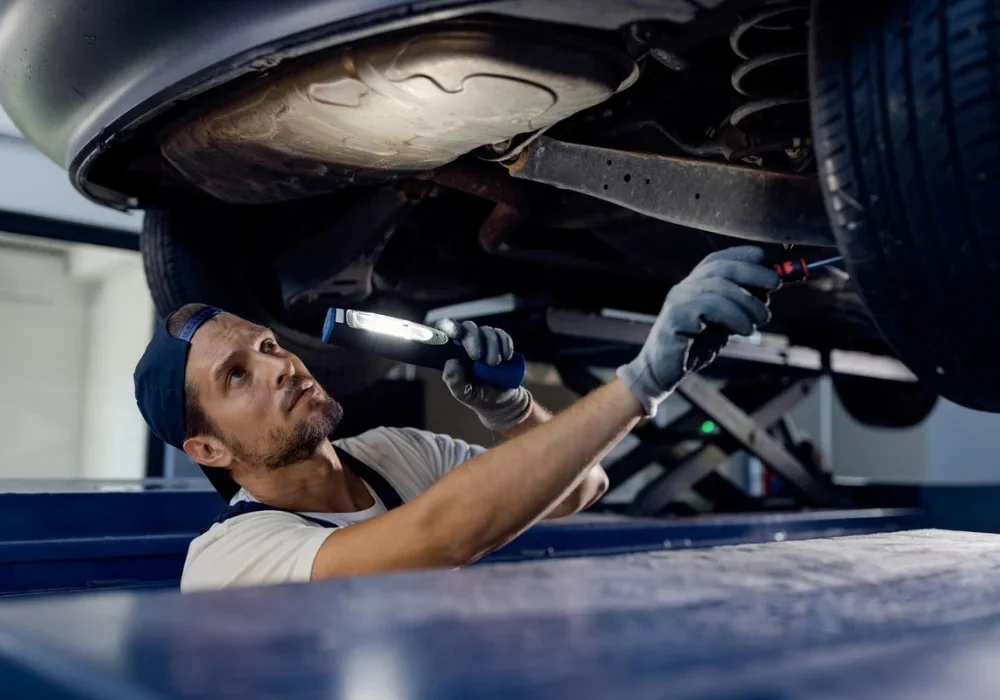
The suspension system keeps your vehicle stable, comfortable, and easy to control. Common problems include knocking sounds, uneven tyre wear, poor handling, excessive bouncing, or the vehicle sitting unevenly. These signs often mean parts are worn or damaged and need checking. When we repair the suspension, we examine shock absorbers, springs, bushes, arms, and links to find the exact problem and replace only the needed parts.
Exhaust Repairs
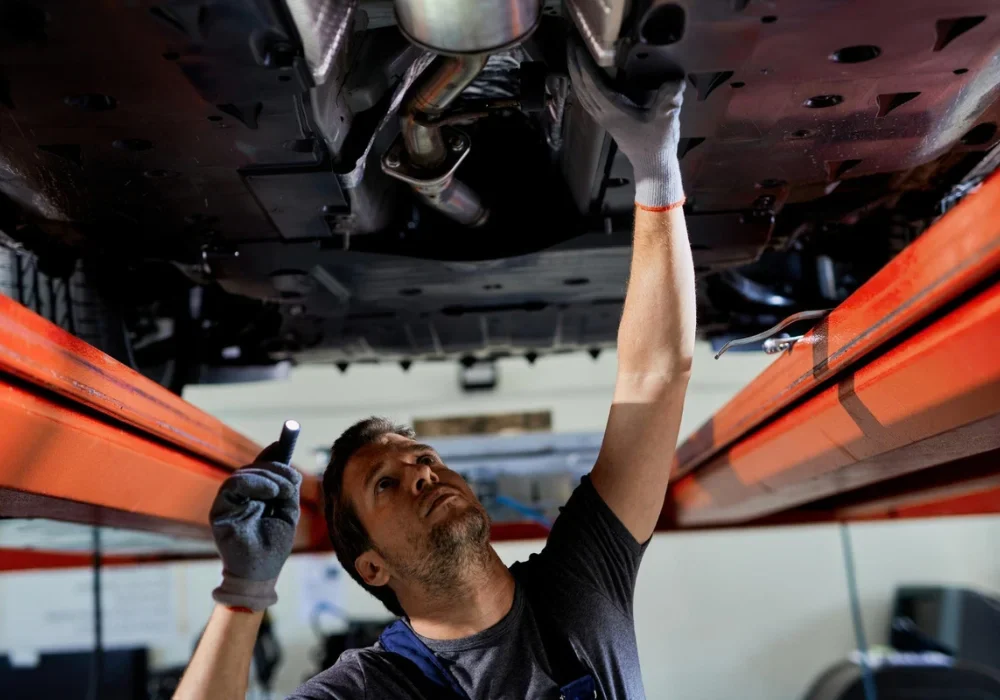
A broken exhaust can create loud noises, rattling, rust, fumes, leaks, or lower engine performance. Since these signs can come from different issues, we need to inspect the exhaust before deciding on repairs. Our Exhaust Repairs service may include fixing damaged parts or replacing them based on their condition. We determine if a simple repair will work or if a full replacement is necessary.
Battery Replacement
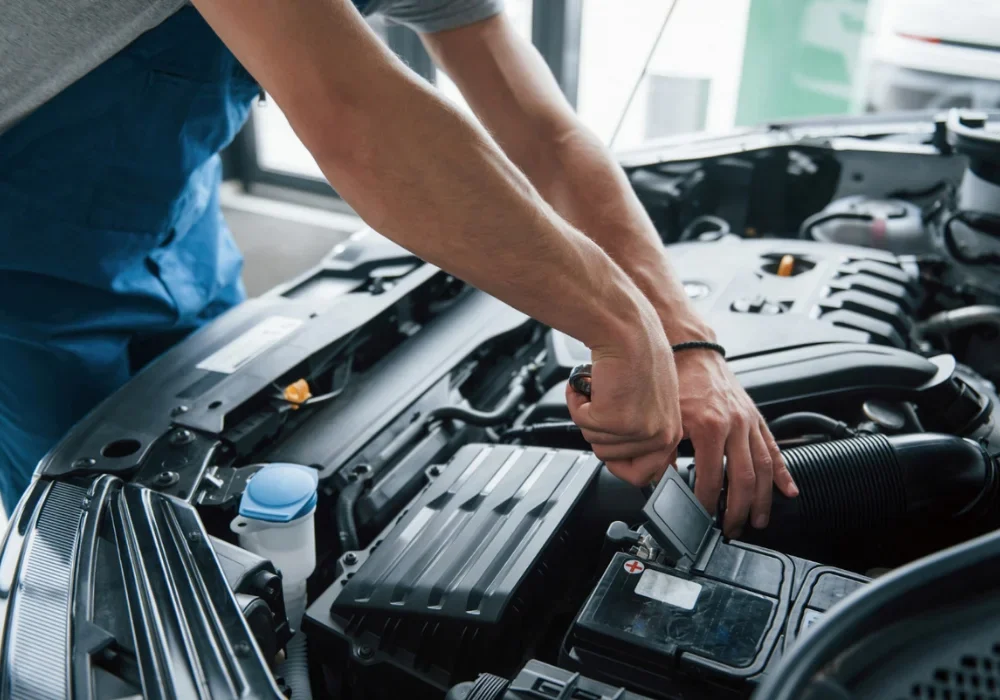
Starting problems like slow cranking, clicking sounds, electrical issues, or a car that won’t start may mean the battery is weak or failing. However, these signs can also come from alternator or charging system issues. Before replacing the battery, we test both the battery and the charging system to identify the problem. This way, we fix the right issue and avoid replacing parts that aren’t needed.
Clutch Replacement
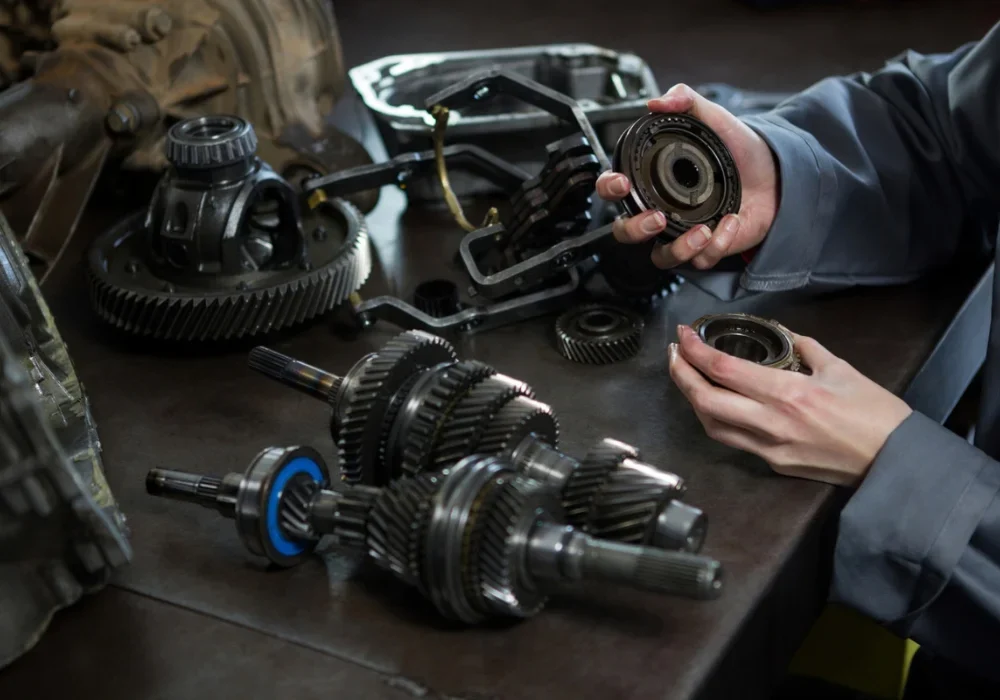
A worn clutch can lead to slipping, trouble changing gears, a high biting point, shaking, or a loss of power when you accelerate. These issues can get worse over time and make driving less safe. Since gearbox and transmission problems can look alike, it's important to inspect the vehicle before suggesting a clutch replacement. We identify the issue to confirm if the clutch or related parts are the problem.
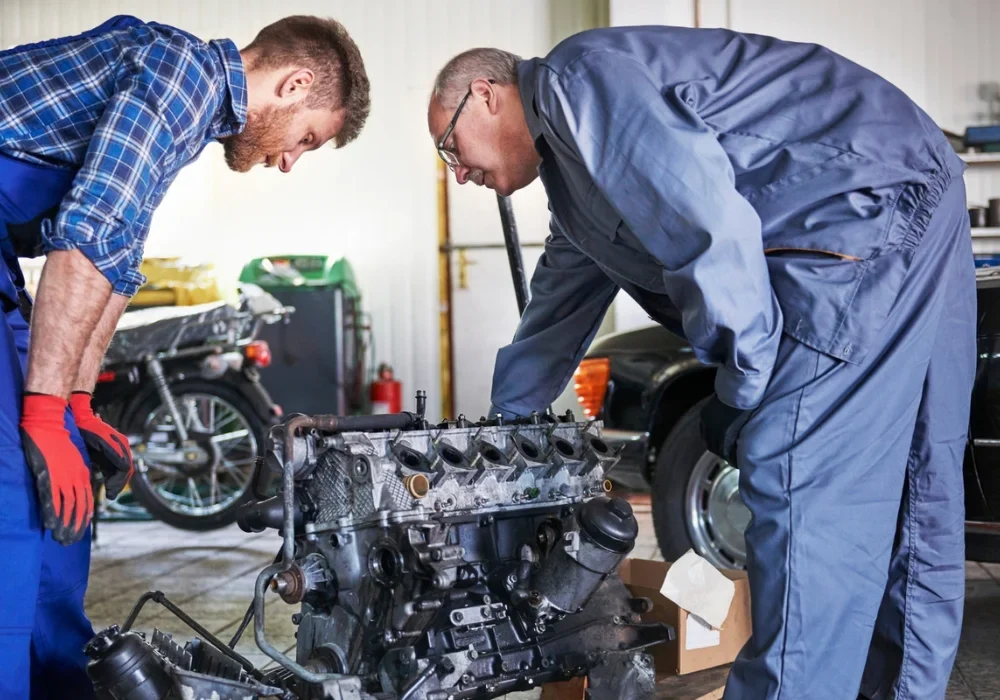
Engine Repairs
Engine problems can be small or serious. Warning lights, misfiring, overheating, oil leaks, smoke, poor performance, or strange noises all need checking to avoid more damage. Our Engine Repair service includes checking sensors, gaskets, cooling parts, fuel and ignition systems, and any internal parts as needed. We find the main issue before suggesting repairs.
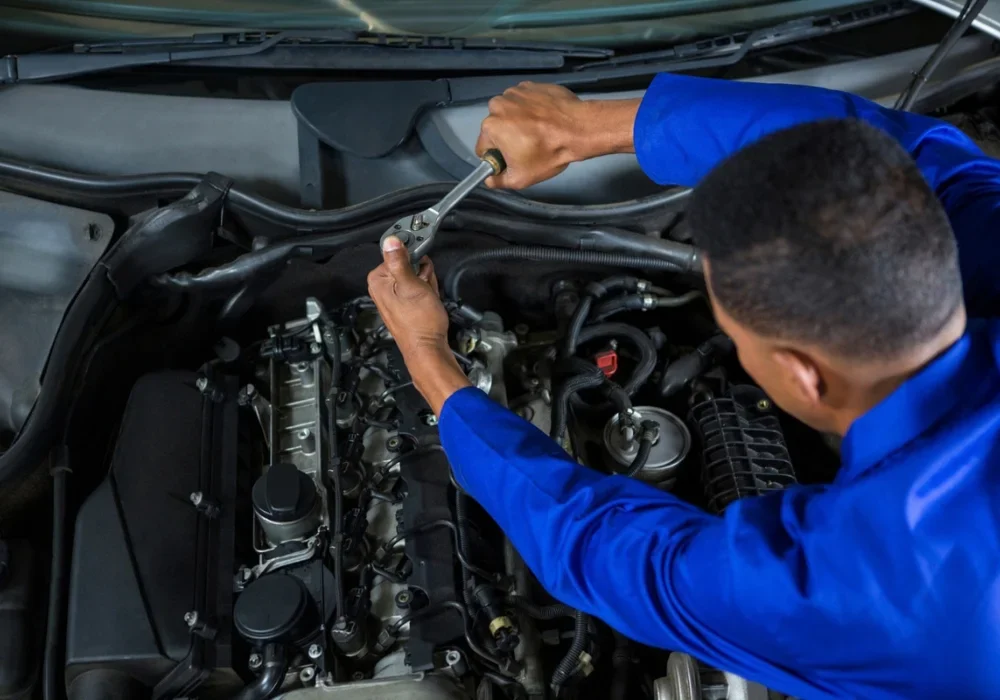
Engine Replacement
An engine replacement may be needed if the engine is badly damaged, or if repairing it is too difficult or expensive. We only suggest this after thoroughly checking the vehicle and engine. We assess the damage, repair options, labour costs, and whether replacement is suitable. This helps us recommend the best and most reliable solution.
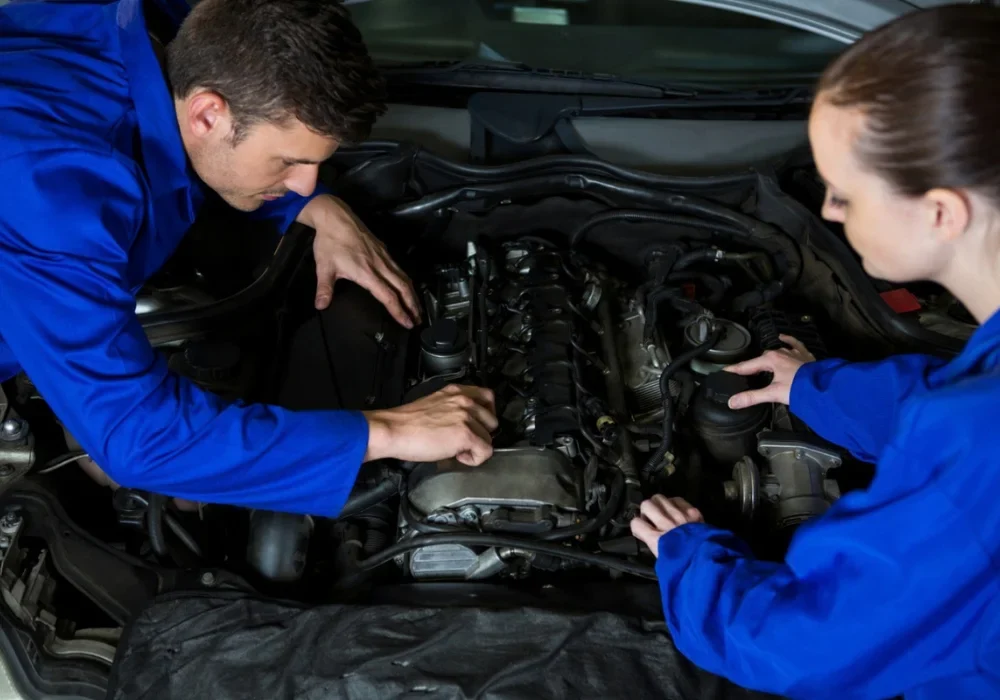
Turbo Replacement
A bad turbo can lead to power loss, slow acceleration, smoke, noise, or warning lights. But these symptoms can also come from air leaks, oil problems, or sensor issues, so accurate diagnosis is crucial. Before replacing the turbo, we check the system to see if the turbo is the problem or if another engine issue is causing the trouble.
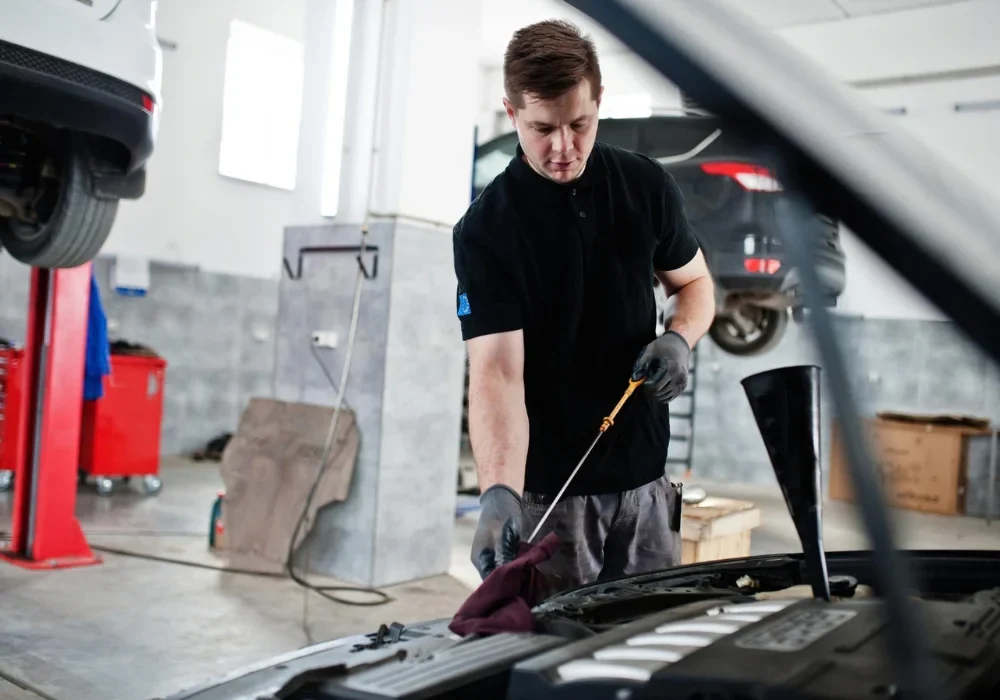
DPF Cleaning Services
A diesel particulate filter (DPF) catches soot from exhaust gases but can get blocked over time, especially if the cleaning process is interrupted or if there are engine problems that create more soot. This can trigger warning lights, lower performance, or put the vehicle in limp mode. Our DPF Cleaning Services help restore flow if the filter is cleanable. However, DPF units that are damaged or failed may not be fixed just by cleaning.
DPF Replacement
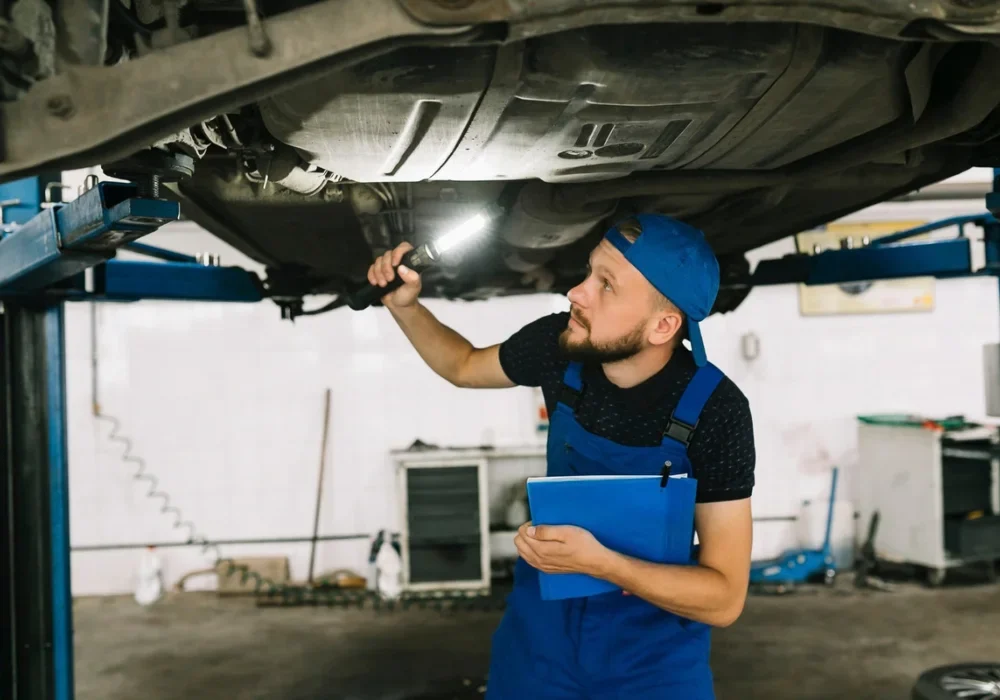
A DPF replacement is needed when the filter is too damaged, blocked, or dirty to clean. This can occur due to neglect, internal failures, or too much soot buildup. We also look into the cause of the failure, like engine or sensor problems, to stop similar issues from happening after replacement.
EGR Replacement
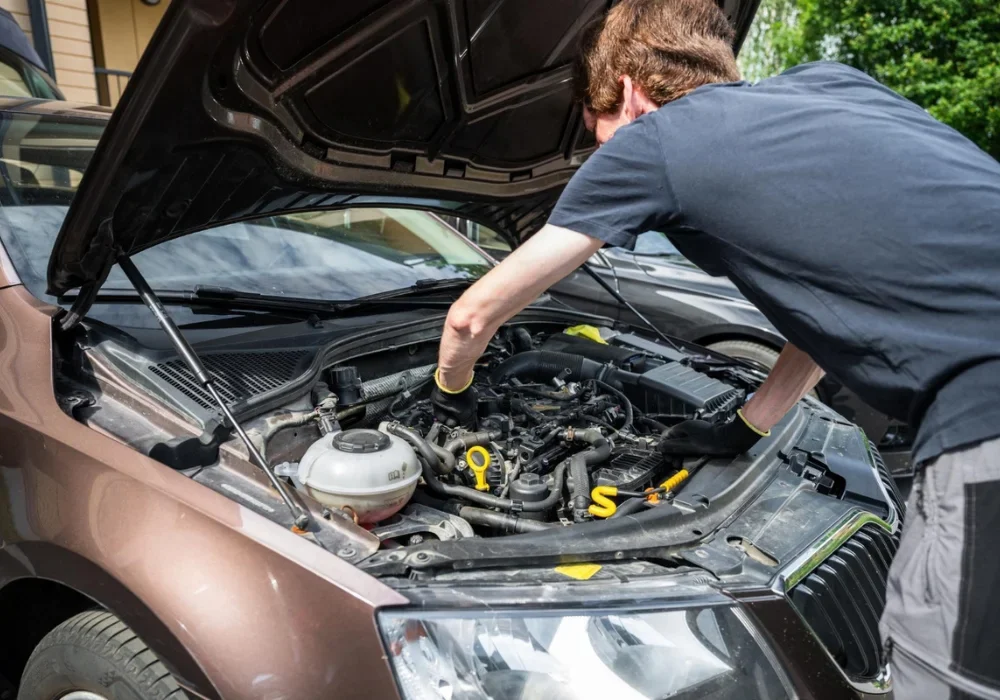
The EGR system cuts emissions by sending exhaust gases back into the engine. If it's not working, the engine may run roughly, perform poorly, emit smoke, or trigger warning lights and limp mode. Before replacing the EGR, we run diagnostics to ensure that the valve or related parts are truly the problem, since other engine issues can cause similar symptoms.
AdBlue Repair
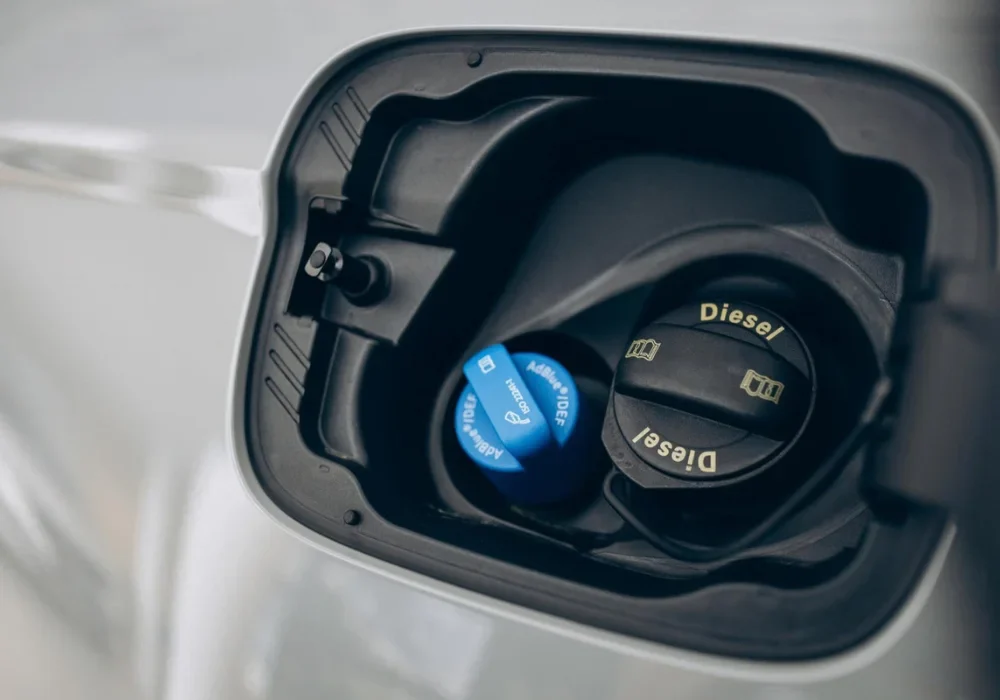
AdBlue systems reduce diesel emissions, but they can have problems with pumps, sensors, injectors, or wiring. These issues can cause warning lights, incorrect readings, or countdown messages that stop the vehicle from restarting. Repairing an AdBlue system involves finding the fault. Just refilling AdBlue won’t fix electrical or mechanical problems that trigger warnings.
AdBlue Replacement
AdBlue Replacement usually means changing broken parts like pumps, injectors, sensors, or tanks, not the fluid. These parts are important for controlling emissions and keeping the system running. Since several problems can cause the same warning messages, we conduct thorough tests before suggesting any replacements. This ensures we fix the right part.
Gas Welding
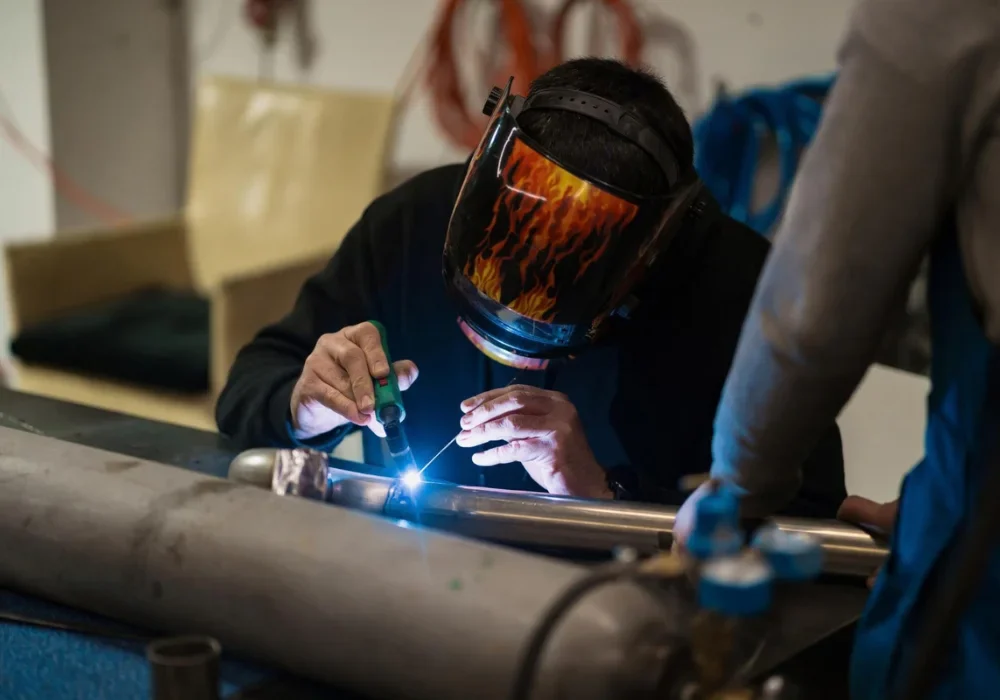
Gas welding is used for certain metal repairs when it's safe and effective. It's good for exhaust sections, fabrication, or fixing some damaged metal parts. We evaluate each gas welding job separately since not all corrosion or damage can be welded. We look at safety, the type of material, and repair standards before starting.
Car Not Feeling Right? Get It Checked Early
New noise, warning light, or performance issue? Schedule a vehicle inspection now to spot the problem and get repair options explained before it worsens.
Repair or Replace?
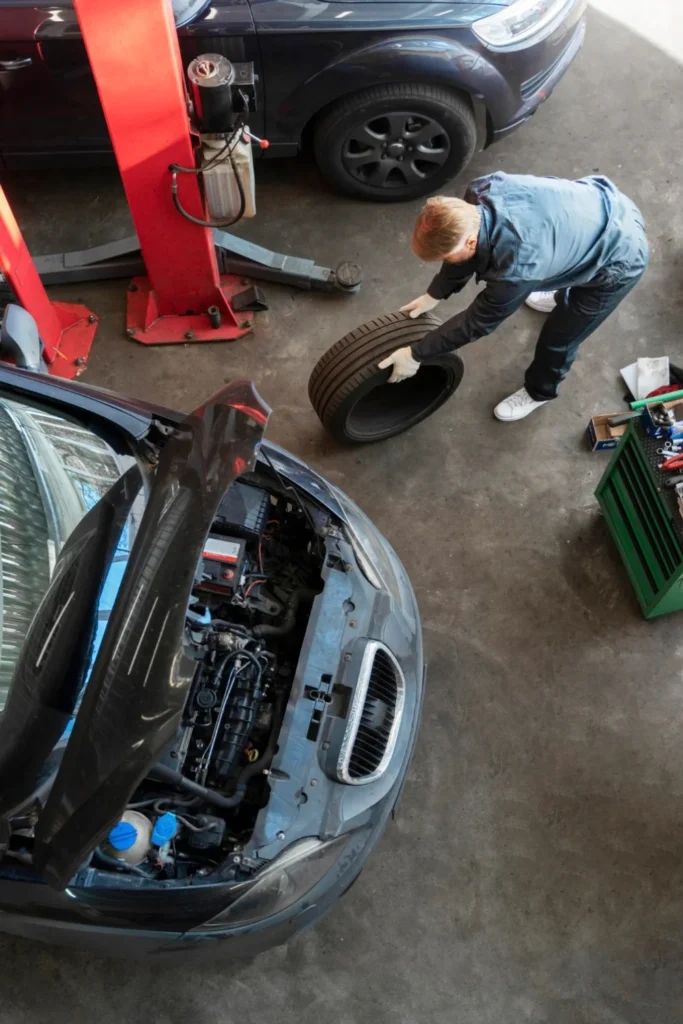
Not every faulty part needs to be replaced. Often, a repair is practical and cost-effective. Sometimes, replacing the part is safer or more reliable. At Heywood MOT Station, we check the damaged part before suggesting the best solution.
When deciding to repair or replace a part, we look at:
- Level of Damage: Minor damage can often be repaired, while serious damage may require replacement.
- Safety: Parts that are critical for safety must be reliable. We only suggest repairs if they ensure safety.
- Component Condition: The age, wear, and condition of the part help us decide if a repair is worth it.
- Repair Practicality: Some parts are easier to repair, while others may need to be replaced due to design or damage.
- Cost Effectiveness: We weigh the cost of repairing a part against the cost of a replacement to see which makes more sense.
- Parts Availability: The availability of repair or replacement parts can limit our options for your vehicle.
- Vehicle Age and Condition: The age and condition of your vehicle can affect which choice is the best value.
- Long-term Reliability: We consider whether a repair will last or if replacement might prevent future issues.
The best choice depends on the specific problem and your vehicle. We clearly explain your options so you can make an informed decision instead of just replacing a part that could be repaired.
Our Diagnostic Process
How We Diagnose Vehicle Faults
Finding faults accurately helps pinpoint the real cause of a problem before fixing or replacing parts. At Heywood MOT Station, we perform several checks based on the symptoms and the affected system during the diagnostic process.
We begin by asking what you've noticed about the problem, when it happens, and whether it has changed over time. Details like noises, warning lights, vibrations, starting issues, or loss of performance help us focus our investigation and pick the right checks for your vehicle.
A visual inspection can show worn parts, leaks, loose connections, or damaged components. We examine the problem area and nearby systems because one issue can affect another. This helps us avoid replacing parts without enough evidence or proper checks.
When it's safe, a road test can help us identify the problem and see how the vehicle acts while driving. We can observe the steering, braking, vibrations, power delivery, and any strange noises, which may not be noticeable when the car is parked or idling.
A diagnostic scan can find stored fault codes and live system information for electronic or engine-management issues. A code provides helpful information but doesn’t automatically mean a part has failed. We analyse the data with other checks and tests before suggesting any repairs.
Mechanical testing checks the condition of a component or system. Depending on the problem, we may examine related parts, electrical supplies, or mechanical operation. By comparing the results, we can identify the actual cause and distinguish it from symptoms caused by other issues.
After we review the inspection, testing, and diagnostic information, we compare the findings to determine the likely cause of the problem. We then explain what we found and suggest appropriate repairs. This helps avoid replacing unnecessary parts and eliminates guesswork.
Why Choose Heywood MOT Station for Car Repairs?
Get reliable local help for mechanical issues, diagnostics, MOT repairs, and routine maintenance, along with clear advice and practical repair options for your vehicle.
Local Independent Garage
Located in Heywood, we offer simple garage services. We handle repairs, inspections, servicing, and regular vehicle maintenance for local drivers.
Experienced Technicians
Our technicians fix various mechanical and diagnostic problems. They inspect and test carefully to find issues before suggesting the best repairs.
Clear Fault Explanations
We explain our findings in clear language. This helps you understand the possible cause, the condition of the affected parts, and the repair options before we start.
Practical Repair Advice
Our recommendations focus on the vehicle’s condition, safety, ease of repair, and long-term reliability. This helps you avoid extra work and make smart choices.
Mechanical & Diagnostic Support
We check the brakes, suspension, and engine, and we look at warning lights and emissions issues. We use mechanical checks and diagnostics to support your vehicle's needs.
MOT, Servicing & Repairs
At our Heywood garage, we offer MOT testing, servicing, and a variety of repair services. This makes it easy to take care of your vehicle in one location.
Car Repairs in Heywood & Surrounding Areas
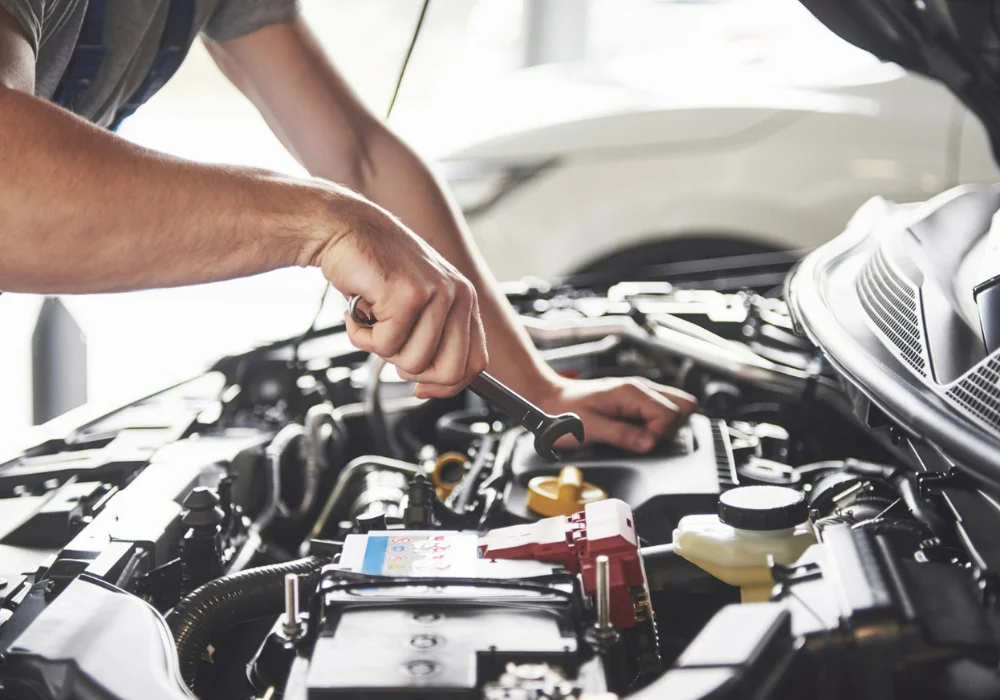
Heywood MOT Station helps drivers in Heywood and nearby areas with mechanical repairs, diagnostics, MOT repairs, and vehicle maintenance. Our garage is conveniently located for people across Greater Manchester.
We serve customers from:
- Bamford
- Birch
- North Manchester
- Norden
- Rochdale
- Bury
- Middleton
- Castleton
Need Car Repairs in Heywood?
If your car has a warning light, strange noise, loss of power, or another problem, schedule an inspection with Heywood MOT Station. We will check the issue, explain what we find, and discuss repair options before doing any work. If you need vehicle diagnostics, assistance with an MOT failure, advice on a growing issue, or help with a repair, contact our Heywood garage and tell us what’s wrong.
Frequently Asked Questions
Get clear answers to common questions about vehicle issues, repairs, diagnostics, brakes, engines, and DPF systems. Find out what to expect when your car needs help.
Heywood MOT Station offers many mechanical repairs like brakes, suspension, exhausts, batteries, clutches, engines, turbos, and DPF, EGR, and AdBlue issues. First, we inspect the vehicle to find the right repair needed.
Possible signs of brake issues include grinding or squealing noises, reduced braking power, vibrations, uneven braking, or a warning light. Noise alone doesn't mean pads or discs need replacing, so it's important to check the braking system first.
Sounds like knocking or rattling when you hit bumps, too much bouncing, uneven tyre wear, and changes in how the vehicle handles can show that the suspension is worn out. Since shocks, springs, bushes, arms, and links can cause similar problems, it's important to inspect them to find the exact issue.
Yes, it depends on what is causing the noise and the exhaust's condition. A loose mount, leak, damaged part, or worn component may need repair or replacement. The exhaust should be checked before deciding what work is needed.
If your vehicle has slow starts, frequent starting issues, or electrical problems, the battery might be weak. However, it's best to test the battery and charging system first, as problems in these areas can cause similar symptoms.
Clutch slipping, problems choosing gears, shaking, or changes in clutch engagement may show that the clutch is worn. Many parts can influence how the clutch works, so it's best to check the system before suggesting a replacement.
The engine warning light can turn on for various reasons related to the engine, ignition, fuel, or emissions. These issues can be simple or serious. A diagnostic check is needed to find out why the light is on.
You should think about replacing the engine if an inspection finds serious internal damage or major mechanical problems, and fixing the current engine isn't realistic. Before deciding, check the vehicle's overall condition, what repairs it needs, and the options for replacement.
Loss of power, slow acceleration, strange turbo noises, smoke, warning lights, or limp mode can show turbocharger issues. However, these signs can also come from leaks, sensors, vacuum controls, or other engine problems. It's crucial to diagnose the issue before replacing the turbo.
Sometimes, a blocked diesel particulate filter can be cleaned instead of replaced. Whether cleaning is possible depends on the filter's state and what caused the blockage. If the filter is damaged or not right for the vehicle, it may need to be replaced.
You might need to replace the DPF if it’s damaged, has failed inside, or cannot be cleaned properly. Also, check the engine or emissions issues to ensure a new filter doesn't face the same problems.
Symptoms of EGR issues include an engine warning light, poor performance, rough idling, or limp mode. Other engine problems can cause similar symptoms. Diagnose the issue before replacing the EGR valve.
An AdBlue or SCR warning may indicate low fluid levels or problems with sensors, wiring, dosing parts, or other emissions-control system components. Just adding AdBlue won't fix all warnings, so you should check the issues causing repeated alerts.
Yes. Heywood MOT Station can check the items recorded as failures, explain what needs fixing, and do approved repairs before a retest. Major and dangerous defects cause an MOT failure according to current DVSA rules.
Not every repair needs an electronic diagnostic scan. Some issues can be found by looking or doing mechanical tests. However, problems with warning lights and electronic systems might need diagnostic tools and additional checks to find the cause.
Not always. A fault code shows a problem in a vehicle system and can help start your investigation. However, wiring, sensors, power supplies, or other parts might be the real cause. More testing can avoid replacing parts unnecessarily.
Yes, especially if the noise is constant, getting louder, or if you notice changes in braking, steering, engine performance, or handling. Sounds like knocking, grinding, rattling, or whining can come from various issues, so it's better to inspect rather than guess which part is causing the problem.
No. Whether to repair or replace a part depends on the damage, safety, how easy it is to fix, and the vehicle's condition. Inspecting the vehicle helps us explore options before suggesting any unnecessary replacements.
You can still check and fix many issues in older or high-mileage cars. The best choice depends on the car's condition, if the right parts are available, and whether the repair makes sense for that specific car.
Repair time varies based on the problem, the diagnosis needed, how easy it is to reach the component, and whether the right parts are available. Simple repairs can take much less time than jobs on the engine, clutch, turbo, or emissions system. It’s best to discuss the exact timeframe after the inspection.